
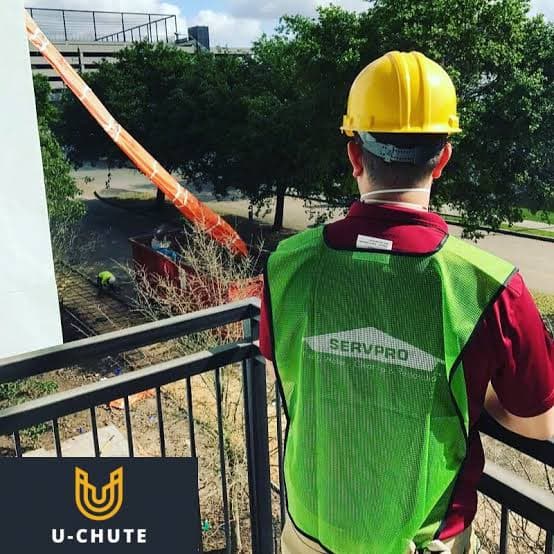
At some point on nearly every multi-story job site, the same conversation happens: a foreman notices the debris chute smells like a dumpster fire, chunks of old drywall are wedged in the collar joints, and nobody has cleaned the system in three weeks. Someone gets tasked with finding a trash chute cleaning company — fast.
That search can go sideways quickly. Some companies specialize in residential high-rise chute sanitation and have no experience with temporary construction chutes. Others quote aggressively low, then show up with a pressure washer and a garden hose and call it a day. And a few contractors never bother with professional cleaning at all, which creates a different set of problems entirely.
This guide cuts through the noise. Whether you manage demolition crews, run a junk removal operation, or coordinate roofing projects across multiple sites, you will walk away knowing exactly what a qualified trash chute cleaning company should do, what it costs, when to call one, and how smart chute selection up front can dramatically reduce how often you need them.
Why Trash Chute Cleaning Matters More Than Most Contractors Admit
Debris chutes take a beating. Broken concrete, roofing shingles, splintered lumber, insulation batts, and wet plaster all travel through the same fabric or plastic sleeve, day after day. Each pass leaves residue. That residue accumulates.
The practical problems cascade quickly:
- Flow restriction: Built-up debris slows the fall rate, creates bridging (clogs that span the chute diameter), and forces workers to push material through — increasing the risk of a sudden release and projectile debris at the base.
- Odor and jobsite morale: Wet organic material — food wrappers, demo dust mixed with moisture, decomposing insulation — generates genuine odors that affect worker comfort and can draw pest activity.
- Structural wear: Grit and sharp material embedded in couplings accelerates wear on the chute sections themselves, shortening useful lifespan.
- Fire and dust hazard: Fine particulate — drywall dust, sawdust, roofing granules — can accumulate in dead zones. OSHA ergonomics and site-safety frameworks emphasize managing accumulation points as part of a broader hazard program.
Cleaning is not optional. The question is how often, by whom, and at what standard.
Residential vs. Construction Trash Chute Cleaning: A Critical Distinction
Most search results for "trash chute cleaning company" surface companies that sanitize permanent chutes in apartment buildings, hotels, and condominiums. These firms do valuable work — but their equipment, chemistry, and protocols are engineered for a completely different context.
Permanent residential chutes
These are fixed stainless-steel or galvanized systems inside a building's core. Cleaning involves high-pressure hot-water flushing, deodorization, and sometimes antimicrobial spray. The chute stays in place; the cleaning company works from intake doors on each floor.
Temporary construction chutes
These are modular, sectional systems — often polymer-fabric like U-Chute's lineup — attached to scaffolding or hung from upper floors. They handle abrasive, heavy demolition debris rather than household garbage. Cleaning may involve disassembly, mechanical removal of lodged material, and inspection of coupling integrity before re-installation.
When you call a cleaning company, ask immediately: Do you service temporary construction debris chutes? If they pause or pivot to talking about apartment buildings, keep looking. The wrong company wastes your time and may damage your equipment.
Our complete guide to trash chute cleaning near me walks through how to vet local vendors specifically for construction applications.
What a Qualified Trash Chute Cleaning Company Actually Does
A thorough cleaning engagement for a construction chute should follow a defined scope. Here is what to expect — and what to demand in writing before work begins.
Pre-cleaning inspection
- Visual assessment of each chute section for tears, compromised couplings, or structural deformation
- Identification of blockage points — particularly at collar joints and bends
- Documentation of any sections that need replacement before reinstallation
Mechanical debris removal
- Disassembly of modular sections as needed to access lodged material
- Removal of compacted debris from collars, mouths, and chute interior surfaces
- Use of brushes, compressed air, or low-pressure water depending on material type
Sanitization (if odor or biological growth is present)
- Application of appropriate deodorizing solution — not bleach on polymer fabric, which degrades material
- Rinse and dry cycle before reinstallation, especially in humid climates
Post-cleaning inspection and sign-off
- Flow test — drop a controlled test load to confirm clear passage
- Written condition report on each section
- Recommendation on sections to retire or replace
If a company skips the pre- and post-inspection steps, you have no documented baseline — and no recourse if a section fails during active use.
How Often Should You Schedule Trash Chute Cleaning?
Frequency depends on three variables: volume of material moved, type of debris, and chute material.
- High-volume demolition sites: Weekly inspection; professional cleaning every 2-3 weeks.
- Roofing or siding projects: Inspection after every major phase (tear-off, install); cleaning at project completion and before storage.
- Junk removal operations: Inspection after every 10-15 chute deployments; cleaning before each new project if mixed organic debris was involved.
- Light renovation: Inspection mid-project; cleaning at completion before storage.
These are floor-level minimums. If you notice flow restriction, odor, or visible debris bridging at any point, call for service immediately — do not wait for the scheduled cycle.
Reusable polymer-fabric chutes like U-Chute's debris chute systems are designed with cleanability in mind. The fabric resists adhesion of fine particulate better than rigid systems with interior ribbing, which means your cleaning intervals can often be extended with proper handling between uses.
Red Flags When Evaluating a Trash Chute Cleaning Company
Not every vendor that answers the phone is worth hiring. Use this checklist to screen out companies that will waste your budget and potentially void your equipment warranty.
Vague scope of work
Any professional cleaning company should be able to tell you, in plain language, exactly what steps they perform and in what order. If they describe the job as "we just clean it up real good," keep looking.
No experience with construction-grade equipment
Ask for references from general contractors, demolition firms, or roofing companies — not apartment building managers. Construction chutes take different abuse than residential units, and the cleaning approach must match.
Pressure washing as the only method
High-pressure water can damage polymer-fabric chute sections and saturate coupling hardware, accelerating corrosion. Reputable companies use pressure washing selectively and know when to avoid it entirely.
No written documentation
Verbal assurances mean nothing when a chute section fails during a live drop. Require a written scope, written condition report, and a service record for every visit.
No insurance
Cleaning crews work at height, around heavy debris and moving equipment. Confirm current general liability and workers' compensation coverage before anyone sets foot on your site.
Typical Pricing Ranges for Trash Chute Cleaning Services

Pricing varies considerably by region, chute length, and scope of service. The figures below reflect typical market rates in 2026 and should be used as a negotiating reference, not a firm budget number — always get three quotes.
- Basic inspection only (no cleaning): $75–$150 per visit
- Single-section cleaning (10 ft chute): $125–$250 depending on debris load
- Full-system cleaning (25–50 ft chute): $300–$700+ depending on disassembly requirements and contamination level
- Emergency or same-day service: Expect a 25–50% premium over standard rates
- Recurring contract (monthly or per-project): Can reduce per-visit cost by 15–30% compared to on-call rates
Contractors running multiple simultaneous sites often negotiate a blanket service agreement with a single cleaning company. This locks in pricing, guarantees availability, and gives the cleaning crew familiarity with your specific chute equipment — which speeds each service call.
DIY Cleaning vs. Professional Trash Chute Cleaning Company: When Each Makes Sense
There are legitimate situations where your own crew can handle basic maintenance between professional cleans. There are also situations where DIY is a liability risk and a false economy.
When DIY chute maintenance is appropriate
- End-of-day debris clearing from the chute mouth and base collar — routine, low-risk
- Inspection walkaround by a designated crew member before each shift
- Clearing minor bridging with a long pole during active use
- Wiping down exterior surfaces and coupling hardware after a wet pour or rain event
When you absolutely need a professional cleaning company
- Major blockages that require disassembly to reach
- Any odor indicating biological contamination or wet organic material buildup
- Post-project cleaning before storage — skipping this step shortens chute lifespan significantly
- When a chute section has been used for materials outside its rated application (heavy wet concrete, oversized rock) — a professional assessment is needed before the section is redeployed
The 10 ft construction trash chute safety checklist provides a practical field-inspection protocol your crew can run daily, reducing the likelihood of conditions that escalate to a professional cleaning call.
How Reusable Chute Design Affects Cleaning Frequency and Cost
Chute design is not just an equipment decision — it is a maintenance cost decision. A poorly designed chute accumulates debris at predictable failure points: ribbed interior walls, sharp coupling transitions, fabric that absorbs moisture rather than shedding it.
U-Chute manufactures its chutes from durable polymer fabric that prioritizes smooth internal flow and clean coupling geometry. This translates directly to:
- Fewer bridging events (which create the compacted debris masses that require the most labor to remove)
- Easier rinse-down between projects
- Longer intervals between professional cleaning service calls
- Lower total cost of ownership over the life of the equipment
Compare this to low-cost single-use plastic chute sections, which are often discarded after one project — generating significant material waste and contributing to the construction debris stream. EPA data on construction and demolition waste consistently identifies debris diversion and reuse as priority strategies for reducing landfill burden from job sites.
Reusable equipment, properly maintained, is both the cost-smart and the environmentally responsible choice.
Questions to Ask a Trash Chute Cleaning Company Before You Hire
Use this exact list as a phone or email screening checklist. Any hesitation on the first three questions should end the conversation.
- Do you service temporary modular construction trash chutes, or only permanent residential systems?
- What is your process when you encounter a blocked or partially collapsed chute section?
- Can you provide references from at least two general contractors or demolition companies?
- What cleaning agents do you use on polymer-fabric chute material?
- Do you provide a written condition report after each service visit?
- Are you currently insured for general liability and workers' compensation?
- What is your response time for emergency service calls?
- Do you offer recurring service contracts, and what is the pricing structure?
Document every answer. If a company passes this screen, ask for a written quote with itemized scope before scheduling.
Trash Chute Cleaning for Specialized Industries
Different industries put different kinds of stress on debris chutes, which affects both cleaning protocols and service frequency.
Roofing contractors
Asphalt shingles deposit granules and bitumen on interior chute surfaces. Granule buildup creates rough patches that catch subsequent debris and accelerate bridging. Roofing crews should plan for a thorough post-project cleaning after every full tear-off and re-roof cycle. See how crews in markets like Sarasota, Florida and Boca Raton, Florida manage high-volume roofing debris with the right chute setup.
Demolition contractors
Mixed debris — masonry, drywall, lumber, metal — is the most abrasive combination a chute will face. Demolition crews running 50 ft systems at full capacity daily should treat cleaning as a weekly cost of operation, not an afterthought. Our construction debris removal guide covers the full debris management workflow for demolition projects.
Junk removal companies
Junk removal operations often process household and commercial contents — meaning organic material, liquids, and mixed waste that creates odor far faster than pure construction debris. For these crews, cleaning after every project (not just periodically) is the standard practice, and professional sanitization should be part of the service budget.
High-rise and urban renovation
Urban renovation projects face additional constraints: limited space at the chute base, proximity to pedestrians, and sometimes building management requirements for debris containment. Markets like Manchester, NH and Boulder, Colorado have active renovation corridors where contractors need efficient, clean chute systems that meet tight site conditions. Cleaning protocols here often need to include a containment check at the base enclosure.
Choosing the Right Chute Size to Minimize Maintenance Burden
Undersized chutes clog. Oversized chutes for a small project are cost inefficient and harder to manage. Matching chute capacity to your actual drop height and debris volume is the single best way to reduce emergency cleaning calls.
- 10 ft lite-duty: Light renovation, small residential jobs, limited second-story debris. Easy to clean and store.
- 10 ft heavy-duty: Single-story commercial applications, roofing with standard shingle volume, modest demo loads.
- 25 ft heavy-duty: Two- to three-story residential or commercial, mid-volume demolition, mixed debris streams.
- 50 ft heavy-duty: Multi-story commercial or industrial, full demolition projects, high-volume continuous debris flow.
Oversizing is better than undersizing. A chute with headroom handles debris surges without bridging — which means fewer emergency cleaning calls, safer operation, and longer time between professional service visits. Review the full range on the U-Chute services page to match your project specs.
The U-Chute FAQ also covers common sizing and deployment questions if you are setting up for the first time.
Environmental and Regulatory Context for Chute Maintenance in 2026
Waste management on construction sites is increasingly scrutinized at the municipal and state level. In 2026, several states have tightened C&D (construction and demolition) debris diversion requirements, which means how you handle, transport, and document debris matters more than it did even a few years ago.
A clean, well-maintained chute system is part of a defensible debris management program. Cleaning records, condition reports, and disposal manifests collectively demonstrate that your site is operating within compliance expectations. The EPA recycling and waste reduction framework provides foundational guidance on what responsible debris management looks like at the project level.
Contractors who invest in reusable chute systems and document their maintenance program are better positioned when municipal inspectors or general contractor compliance teams come looking for evidence of responsible site management.
For businesses evaluating their broader waste reduction footprint, the SBA's small-business operational guidance also touches on how sustainable practices translate into competitive positioning — particularly when bidding on public or government-funded projects that carry environmental performance requirements.
Building a Long-Term Relationship with a Trash Chute Cleaning Vendor
One-off cleaning calls are expensive and unpredictable. The most efficient contractors treat chute cleaning the same way they treat equipment servicing — with a scheduled, documented, recurring vendor relationship.
How to structure a vendor agreement
- Define the scope in writing: which chute sections, what cleaning steps, what documentation is provided after each visit
- Set a recurring calendar tied to your project schedule — not just the calendar year
- Establish a call-out protocol for emergency service with a guaranteed response window
- Include a condition-reporting requirement so you have a running history of each chute section's wear status
- Build in an annual rate review rather than allowing open-ended price increases
Contractors operating across multiple states can sometimes negotiate regional agreements with cleaning companies that have multi-market presence. For example, crews working across the Carolinas might extend a vendor relationship through markets like Columbia, SC and Asheville, NC under a single service framework.
Frequently Asked Questions
How do I find a trash chute cleaning company that handles construction chutes, not residential?
Search for companies that specifically list construction, demolition, or job-site services in their scope — not just apartment or condo chute cleaning. Ask directly whether they have worked with modular polymer-fabric chute systems. Request references from contractors, not building managers. A company without contractor references in their portfolio has likely never serviced a temporary construction chute and will not know the correct protocols for disassembly, mechanical debris removal, and reinstallation.
How often should a construction trash chute be professionally cleaned?
High-volume demolition sites should schedule professional cleaning every two to three weeks during active use. Roofing and renovation projects should plan for a full cleaning at project completion before the chute goes into storage. Junk removal operations handling mixed organic debris should clean after every project. At a minimum, every chute should receive a professional inspection and cleaning before being stored long-term — skipping this step dramatically shortens the equipment's usable lifespan.
Can my crew clean the trash chute themselves without hiring a company?
Routine daily maintenance — clearing the chute mouth, removing debris from the base collar, and running a quick visual inspection — is appropriate crew work. But major blockages, biological contamination from organic material, and pre-storage deep cleaning should be handled by a qualified vendor with the right equipment and chemicals. DIY attempts at serious blockages often push compacted debris further into coupling joints, making the eventual professional cleaning more expensive and time-consuming than if the company had been called immediately.
What chemicals are safe to use on polymer-fabric trash chutes?
Avoid bleach and highly alkaline industrial cleaners — both degrade polymer-fabric over time and can compromise the structural integrity of the chute sections. pH-neutral enzymatic cleaners are generally safe and effective for odor elimination. For surface debris, low-pressure water rinse followed by air drying is preferred. Always consult the chute manufacturer's maintenance guidelines before authorizing any chemical application, and ensure your cleaning vendor confirms the products they use are compatible with your specific chute material.
What is the typical cost for a professional trash chute cleaning service?
In 2026, pricing typically ranges from $125 to $250 for a single 10 ft section with standard debris load, and $300 to $700 or more for a full 25 to 50 ft system requiring disassembly. Emergency or same-day service adds a 25 to 50 percent premium. Contractors who negotiate recurring service contracts generally save 15 to 30 percent over on-call rates. Always get three itemized quotes before committing, and require that the scope of work and post-service documentation are spelled out in the written agreement.
Does using a reusable trash chute reduce how often I need professional cleaning?
Yes — in most cases significantly. Reusable polymer-fabric chutes like U-Chute's lineup are designed with smooth interior flow and clean coupling geometry that resists the accumulation points common in ribbed plastic or low-quality fabric systems. This means fewer bridging events, easier rinse-down between deployments, and longer intervals between professional service calls. Over the life of the equipment, this reduces both cleaning costs and the operational disruption that comes from unexpected blockages during active site work.
Are there OSHA requirements related to trash chute cleanliness on job sites?
OSHA does not publish a dedicated cleaning frequency standard for construction debris chutes, but general site-safety requirements around debris management, slip and fall hazards, and air quality all apply. Accumulated debris at chute bases and airborne dust from clogged or unmaintained chutes can create citable conditions during an OSHA inspection. Maintaining cleaning records and inspection logs demonstrates due diligence and is good practice regardless of whether a specific chute-cleaning regulation exists in your jurisdiction. Review OSHA's site-safety framework for current general construction standards.
Ready to Choose the Right Chute System and Cut Your Cleaning Costs?
The best way to minimize your trash chute cleaning company budget is to start with a chute built for the job — one that moves debris cleanly, resists accumulation, and holds up to repeated professional cleaning without material degradation.
U-Chute manufactures reusable polymer-fabric debris chutes in four sizes — 10 ft lite-duty, 10 ft heavy-duty, 25 ft heavy-duty, and 50 ft heavy-duty — with free shipping anywhere in the United States. Order online, match the section count to your drop height, and get to work with equipment designed to last.
Explore the full lineup at the U-Chute debris chute systems page, or contact us if you have questions about sizing your project. When you are ready to learn more about how other contractors manage their debris workflow, the construction debris container rental guide and the U-Chute story are good next reads.