
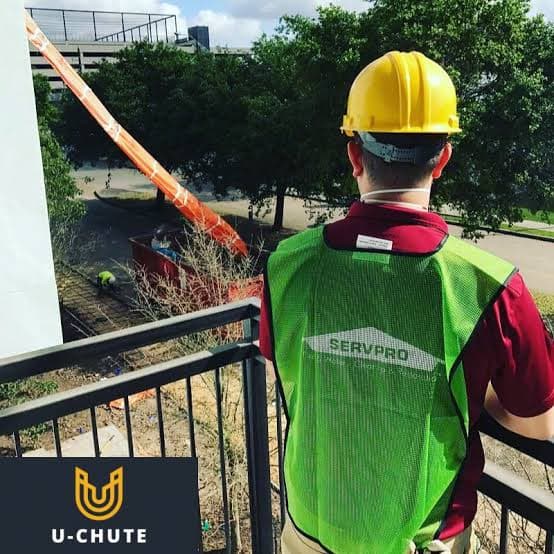
Every contractor, roofer, demolition crew, and junk removal company eventually faces the same question: what is a trash chute actually going to cost me for this job? The answer isn't a single number — it depends entirely on your project scope, the drop height involved, the material volume you're moving, and how many times you plan to reuse the equipment. This guide is a working cost estimator you can run through right now, before you buy anything.
By the time you finish reading, you'll know exactly which chute size fits your job, what you should expect to pay, and where crews consistently overspend or underspec. Let's get into it.
Why "How Much Does a Trash Chute Cost?" Is the Wrong Starting Question
Most first-time buyers search for a flat price and get frustrated when they can't find one. That's because chute pricing is inherently scope-dependent. A 10-foot lite-duty chute serving a single-story residential reroof is a completely different tool than a 50-foot heavy-duty system running debris off a six-story commercial gut renovation.
The smarter question is: what does the right chute cost for my specific project? That reframe puts you in control. Instead of shopping by price first, you scope the job first — drop height, debris type, project duration — and then the right product and its cost follow naturally.
The Three Variables That Drive Chute Cost
- Drop height: How many feet of vertical distance must the debris travel from the work area to the dumpster or ground level?
- Debris type and weight: Are you moving light shingles and wood scraps, or dense concrete, tile, and mixed demolition material?
- Reuse frequency: Is this a one-time project, or do you run three to five jobs a month where a chute earns its keep repeatedly?
Run through each of those three questions honestly before you look at any product page. The answers will point you to the right chute size — and the right size is always the most cost-efficient choice.
Understanding the Four U-Chute Sizes and Their Cost Tiers
U-Chute's debris chute systems come in four configurations. Each serves a distinct band of project scope. Here's how to read the lineup from a cost-estimating perspective.
10 ft Lite-Duty — Light Jobs, Minimal Drop
The lite-duty 10-footer is the entry-level option and carries the lowest price point in the lineup. It's built for residential roofing, small interior cleanouts, single-story additions, and any job where the drop is modest and the debris is on the lighter end — shingles, insulation batts, drywall scraps, light lumber.
- Best fit: 1-story residential roofing, small garage or shed demolitions, light interior tearouts
- Debris types it handles well: asphalt shingles, insulation, light wood framing, drywall
- Cost driver: lowest upfront investment; ideal for crews that only occasionally need a chute
10 ft Heavy-Duty — Same Drop, Tougher Material
The heavy-duty 10-footer covers the same vertical range as the lite-duty model but is built for denser, more abrasive debris. If you're tearing off tile roofing, moving concrete rubble, or handling mixed demolition waste that includes metal and masonry, this is the tier to be at. The price step up from lite-duty to heavy-duty at the same length is modest, and on a tough job it's always worth it.
- Best fit: tile roofing removal, mixed demolition on single or low two-story structures, junk removal with heavy mixed loads
- Debris types it handles well: ceramic and clay tile, light concrete, masonry fragments, metal scraps
- Cost driver: durability over volume — this chute lasts significantly longer under punishing loads than a lite-duty option would
25 ft Heavy-Duty — The Workhorse Mid-Range
The 25-foot heavy-duty chute is the most versatile option in the lineup and is a strong default for commercial renovation crews and multi-story residential projects. It handles two- to three-story drops comfortably and pairs well with the wide range of debris you encounter in gut renovations, full roofing replacements on taller homes, and interior demolitions on mid-rise buildings.
- Best fit: 2-3 story residential, 1-2 story commercial, mixed renovation and demolition
- Debris types it handles well: all heavy-duty material, plus high volumes of lighter mixed debris
- Cost driver: per-job amortization is excellent — a crew running this chute on three jobs a month pays it off fast
50 ft Heavy-Duty — Large Commercial and High-Rise Applications
The 50-foot heavy-duty chute is the professional-grade solution for four-story and taller structures, large commercial gut demolitions, and any project where the debris drop exceeds what a 25-footer can reach. It carries the highest sticker price in the lineup, but for the projects that require it, there is no practical alternative other than manual bucket-brigading — which is slower, more expensive in labor, and harder on your crew.
- Best fit: 4-6 story commercial, high-rise interior demolition, large campus or institutional renovation
- Debris types it handles well: full heavy-duty range, sustained high-volume output
- Cost driver: absolute necessity on tall structures — cost comparison should be against labor hours, not against smaller chutes
How to Measure Drop Height Before You Buy
Miscalculating drop height is the most common scoping mistake in this category. Crews either underestimate the drop and buy a chute that's too short, or they overbuy length they don't need. Neither outcome is great for your budget.
The Field Measurement Method
- Identify where the debris will be loaded into the chute — the highest point of the work area, not the roofline.
- Identify where the chute will discharge — the top lip of the dumpster or the ground landing zone, whichever applies.
- Measure or estimate the vertical distance between those two points in feet.
- Add a 10-15% buffer. Chutes hang at a slight angle in real-world setups, so a 22-foot vertical drop realistically needs a 25-foot chute to function smoothly.
Story-Count Rules of Thumb
- 1-story structure: 10 ft chute is typically sufficient
- 2-story structure: 25 ft chute covers most real-world setups
- 3-story structure: 25 ft at minimum; measure carefully
- 4 stories and above: 50 ft heavy-duty is the right call
These are starting points, not hard rules. A 2-story building with a steep-pitch roof and a dumpster placed far from the foundation may need more chute than a standard 2-story situation. Always measure before you order. The U-Chute FAQ page has additional guidance on sizing edge cases.
Estimating Cost by Project Type: A Practical Breakdown
Here's how the cost estimator works in practice. For each common project type, I've mapped out the scope variables and the chute tier that fits.
Residential Roofing Replacement (Single Story)
- Typical drop height: 8-12 feet
- Debris type: asphalt shingles, felt underlayment, nails, light framing
- Recommended chute: 10 ft lite-duty
- Reuse value: high — residential roofers run multiple jobs a week; this chute amortizes over dozens of jobs
- Cost logic: lowest upfront, highest reuse rate in the lineup for this crew type
Tile Roof Removal (1-2 Story)
- Typical drop height: 10-20 feet
- Debris type: clay or concrete tile, mortar, metal flashing, plywood decking
- Recommended chute: 10 ft heavy-duty or 25 ft heavy-duty depending on story count
- Reuse value: high — tile removal is a specialized service; crews that do it regularly recoup chute cost quickly
- Cost logic: step up to heavy-duty is non-negotiable; tile is dense and abrasive enough to degrade a lite-duty chute prematurely
Interior Gut Demolition (Single-Story Commercial)
- Typical drop height: 10-15 feet from window or door opening to dumpster
- Debris type: drywall, flooring, ceiling tile, light steel stud, mixed interior debris
- Recommended chute: 10 ft heavy-duty or 25 ft heavy-duty
- Reuse value: very high — commercial demo crews cycle through projects continuously
- Cost logic: volume is often the main driver here; if you're moving a lot of material fast, the wider heavy-duty chute keeps pace better
Multi-Story Commercial Renovation
- Typical drop height: 20-50 feet depending on floor
- Debris type: everything — concrete, steel, mixed demolition, flooring, MEP materials
- Recommended chute: 25 ft or 50 ft heavy-duty, matched to actual measured drop
- Reuse value: extremely high — one commercial renovation job alone can justify the investment
- Cost logic: compare chute cost against the labor cost of manual debris removal; on a 4-story project the chute pays for itself on day one
Junk Removal Operations
- Typical drop height: varies widely — 10 to 30 feet depending on the property type
- Debris type: household junk, furniture, appliances, mixed light demolition, yard waste
- Recommended chute: 10 ft heavy-duty for most residential junk jobs; 25 ft for multi-story properties
- Reuse value: among the highest of any use case — junk removal companies run jobs daily; see our full breakdown in the complete guide for junk removal companies
- Cost logic: daily reuse means per-job cost is extremely low; a chute that runs 200 jobs before replacement is paying dividends

The Real Cost of NOT Using a Chute
Any cost estimator for chutes is incomplete without running the alternative scenario. What does debris removal cost when you don't use a chute? The answer usually makes the chute look like a bargain.
Manual Debris Carry-Down: The Hidden Labor Sink
When crew members carry bags, buckets, or armloads of debris down stairs or ladders, the labor cost is real and often invisible because it's buried in the hourly rate of people who should be doing other things. According to OSHA's ergonomics guidance, repeated manual lifting and carrying of heavy loads increases injury risk and worker fatigue — both of which have measurable cost consequences in construction.
- A two-person carry-down on a full roofing job can add 3-5 hours of labor vs. using a chute
- At typical construction labor rates, that's a significant dollar figure on every single job
- Multiply that by your monthly job volume and the chute pays for itself in labor savings alone within weeks
Injury and Liability Exposure
Beyond efficiency, there's a safety case. Debris falling from height without a controlled chute system poses real risk to workers and the public below. A chute contains the debris path, reduces scatter, and keeps the work area organized. That's not just a liability argument — it's a site management argument that experienced GCs and project owners appreciate.
How Reusability Transforms the Cost Equation
U-Chute's polymer-fabric chutes are designed to be reused across many jobs. This is the core economic lever that separates them from disposable alternatives, and it's what makes the cost-per-job number so favorable over time.
Calculating Your Cost Per Use
The math here is simple and worth running before you place an order:
- Take the purchase price of the chute you're considering.
- Estimate how many jobs per year you'll deploy it.
- Estimate how many years the chute will remain in service with normal care.
- Divide the purchase price by total projected uses.
A 25-foot heavy-duty chute used on three jobs per month for two years equals 72 uses. When you divide the purchase price by 72, the per-job cost is remarkably low. That's the real cost number — not the sticker price.
Comparing Reusable vs. Disposable Systems
Some contractors consider disposable cardboard chute sections or renting equipment by the day. The per-use math on those options rarely holds up against a reusable polymer-fabric chute. Rental logistics add administrative overhead, disposables add recurring material cost, and neither builds toward an owned asset on your equipment list. EPA data on materials waste and recycling also points to the environmental upside of reusable systems over single-use alternatives — a consideration that increasingly matters to commercial clients and municipalities.
Common Scoping Mistakes That Inflate Your Cost
These are the errors I see contractors make regularly when estimating chute costs. Each one either costs money directly or creates friction on the job site.
Underspecifying for the Debris Type
Buying a lite-duty chute for a tile removal job is the most common version of this mistake. The chute degrades faster than it should, performance suffers mid-project, and you end up buying a replacement sooner than expected. Spending slightly more upfront on the right duty rating saves money in total.
Buying Too Short for the Drop
A chute that's 5 feet short of the actual drop creates real operational problems — debris has to be thrown or dropped the remaining distance, defeating the purpose of the chute and creating a scatter and safety issue. Always add the 10-15% buffer described earlier.
Not Accounting for Free Shipping in the Total Cost
U-Chute ships free anywhere in the United States. That's not a trivial detail when you're comparing options. If you're evaluating alternatives that charge freight separately, add that freight cost to the comparison number. It often changes the ranking significantly.
Renting When You Should Own
Rental makes sense for equipment you use once a year. Chutes used weekly or monthly are a different story. If you're renting a chute more than four or five times a year, you've likely already paid for a U-Chute-quality system in rental fees. At that point, ownership is the economically correct decision. The U-Chute story was built around exactly this insight — construction crews deserve to own quality equipment rather than perpetually rent.
Compliance and Safety Considerations That Affect Your Cost Model
Depending on your market and the type of projects you take, there may be regulatory dimensions to your chute setup that should factor into your cost model. Understanding these upfront helps you avoid unexpected expenses.
State and Local Debris Management Rules
Regulations around debris chutes vary by state and sometimes by municipality. Some jurisdictions require specific containment setups, debris collection at the base of the chute, or documented waste disposal practices. Our post on construction debris chute regulations by state is the deepest resource available on this topic — review it before starting work in a new market.
OSHA Compliance on Fall Hazards and Debris Control
Proper chute setup also intersects with OSHA standards around fall hazard protection and controlled work zones. Using a properly sized and installed chute rather than improvised drop methods keeps you on the right side of those requirements. The 10-foot trash chute safety checklist covers the key installation and operation standards in detail.
Seasonal Demand Patterns and When to Buy
Project scope isn't just about this job — it's about the season of work you're heading into. Spring and summer are peak construction and roofing seasons across most of the United States, and equipment lead times can tighten. If you're planning a busy season, ordering your chute before the rush ensures you have it when you need it.
Our spring construction debris cleanup guide for 2026 has specific prep recommendations for contractors heading into a high-volume season. The core advice: spec and acquire your debris management equipment before the first big job of the season, not after you've already started.
Estimator Checklist: Run This Before You Order
Use this checklist to finalize your project scope estimate before selecting a chute size.
- Measure drop height from the highest debris loading point to the discharge point. Add 10-15% buffer.
- Identify debris type: light (shingles, insulation, drywall) or heavy (tile, concrete, masonry, mixed demo).
- Estimate volume: how many dumpster loads of material will move through the chute on this project?
- Estimate reuse frequency: how many jobs per month will this chute be used on?
- Calculate cost per use: divide purchase price by projected uses over 24 months.
- Compare against labor alternative: how many crew-hours would manual removal require?
- Check regulatory requirements: does your jurisdiction have specific debris chute rules?
- Select the matching chute: 10 ft lite-duty, 10 ft heavy-duty, 25 ft heavy-duty, or 50 ft heavy-duty.
If you work in multiple states or run a large crew across regional projects, the full U-Chute product and services overview is worth reviewing to understand the complete lineup and how different configurations are typically deployed.
Regional Considerations for Crews Across the U.S.
While U-Chute ships free anywhere in the United States, project scope can vary meaningfully by region. Here's a quick regional breakdown that affects your estimating decisions.
Sun Belt Markets (Florida, Texas, Southeast)
High storm-damage roofing volume and year-round construction activity means crews in these markets run chutes frequently. The per-job cost amortizes very quickly. Junk removal companies operating in markets like Sarasota, Florida and Boca Raton, Florida see particularly high reuse rates. Heavy-duty options are worth the investment given the volume and intensity of debris typical in these markets.
Mountain West and Pacific Northwest
Markets like Boulder, Colorado, Bend, Oregon, and Asheville, NC often feature older housing stock, steep-slope roofing, and active renovation markets — all of which drive demand for well-sized debris management systems. Steep-pitch roofs may affect your effective drop height calculation, so measure carefully.
Northeast and Mid-Atlantic
Multi-story brownstones, older commercial buildings undergoing gut renovation, and dense urban sites characterize many projects in markets like Manchester, NH and Portland, Maine. These projects frequently justify the 25-foot or 50-foot heavy-duty options given building heights and the intensity of the debris stream.
Wherever you're working, the U-Chute contact page is the fastest way to get a sizing recommendation if your project scope falls outside the standard examples above.
Frequently Asked Questions
How do I know which chute size is right for my project?
Start by measuring the vertical drop from your highest debris loading point to the dumpster or ground discharge point, then add a 10-15% buffer for the chute's real-world hanging angle. Match that drop measurement to the chute length — 10 ft for single-story, 25 ft for two to three stories, 50 ft for four stories and above. Then layer in debris type: if you're handling tile, concrete, or mixed heavy demolition material, go heavy-duty regardless of the length you need. The U-Chute FAQ covers sizing edge cases in detail.
Is it worth buying a chute for a single project?
It depends on the project scale and how honestly you run the labor comparison. On a large single project — a full commercial gut demo, a 4-story renovation — the chute can pay for itself in labor savings on that one job. For smaller one-off projects, calculate how many crew-hours you'd spend on manual debris carry-down and compare that labor cost against the chute purchase price. In many cases, the chute wins even for a single project. And if you do any similar work in the future, you already own the equipment.
How many times can a U-Chute be reused?
U-Chute's polymer-fabric chutes are built for repeated professional use, not single deployment. With proper storage and care, crews regularly get dozens of uses from a single chute. The exact number depends on debris type, volume per use, and how the chute is handled between jobs. Heavy-duty versions are specifically rated for the dense, abrasive debris streams — tile, concrete, mixed demolition — that would wear out a lighter-duty chute faster. Running the cost-per-use math at 50 or more uses puts the per-job investment at a very competitive number.
Does free shipping really mean no hidden freight charges?
Yes. U-Chute ships free to any address in the continental United States. There are no hidden freight charges, fuel surcharges, or delivery fees added at checkout. This matters when you're comparing options, because some competitors price low on the unit but charge significant freight separately. Always compare the total landed cost — product price plus shipping — not just the sticker price. Free shipping across the full product lineup means the price you see is the price you pay.
What types of debris can a heavy-duty chute handle that a lite-duty cannot?
Heavy-duty chutes are built for dense, abrasive, and irregular debris streams that would accelerate wear on a lite-duty model. This includes clay and concrete roofing tile, masonry fragments, concrete rubble, mixed demolition material containing metal components, and high-volume sustained debris flow. Lite-duty chutes handle asphalt shingles, drywall, insulation, light wood framing, and similar lower-density material well. If your debris stream includes anything in the heavy category, choose heavy-duty — the durability difference more than justifies the modest price step-up.
Are there regulations I need to know about before setting up a debris chute?
Yes, and they vary by state and municipality. Some jurisdictions require specific chute containment setups, debris control at the discharge point, or documented disposal practices for certain material types. OSHA standards also apply to the installation and operation of debris chutes on commercial sites, particularly around fall hazard protection and controlled work zones. Review our detailed post on construction debris chute regulations by state before starting work in a new market. When in doubt, check with your local building authority.
How does a roofing crew set up a debris chute correctly and safely?
The setup process depends on the building type and the specific chute length being deployed. In general, the chute is secured at the top near the debris loading point, routed to hang freely without sharp bends that would restrict flow, and discharged either directly into a dumpster or onto a designated ground containment area. The chute should be inspected before each use for wear, secure all attachment points, and keep the discharge zone clear of workers and pedestrians during operation. Our roofing demolition debris chute setup field guide walks through the full process step by step.
Ready to Scope Your Project and Order the Right Chute?
You now have a complete cost estimator framework: how to measure your drop height, how to match debris type to duty rating, how to calculate your cost per use, and how to compare the chute investment against your real labor alternative. The right chute for your project is the one that fits the scope — not the cheapest option, and not the largest one in the lineup.
U-Chute manufactures four sizes — 10 ft lite-duty, 10 ft heavy-duty, 25 ft heavy-duty, and 50 ft heavy-duty — all available to order online with free shipping anywhere in the United States. Visit the debris chute systems page to see the full lineup, match your project scope to the right size, and place your order today. If you have a scoping question before you buy, the contact page is the fastest path to a straight answer.