
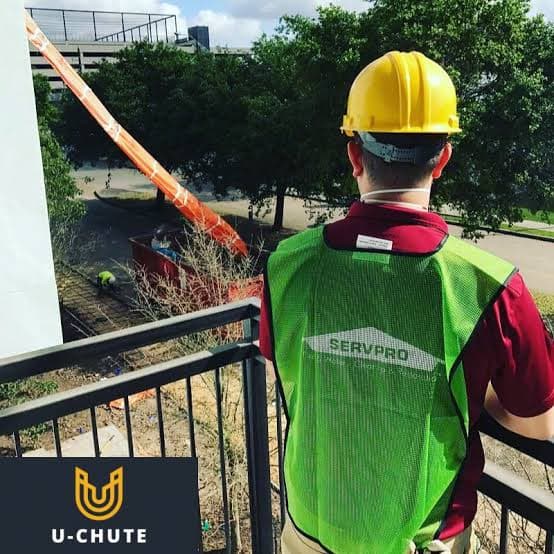
If you are a demolition contractor, roofer, or junk removal operator heading into Q1 2027, the equipment decisions you make right now will have a direct impact on your job-site efficiency, your cost-per-project, and your crew's safety all year long. The trash chute market has been evolving quickly — driven by tightening waste regulations, rising disposal costs, and a growing preference for reusable over single-use systems. Understanding where the market is going before Q1 arrives gives you a planning edge that reactive competitors will never have.
This guide breaks down every major trend shaping the trash chute market heading into Q1 2027, what those trends mean for contractors on the ground, and how to position your business to capitalize on them. Whether you are buying your first chute system or upgrading an aging fleet, read through each section before you commit your equipment budget.
Why Q1 2027 Is a Pivotal Quarter for Construction Waste Equipment
Quarters one and two typically concentrate a disproportionate share of annual renovation, roofing, and demolition contracts — especially in Sun Belt and Mountain West markets where mild winters keep crews active. Contractors who finalize their equipment rosters in Q4 2026 or early Q1 2027 win the bids that start in February and March. Those who scramble for equipment mid-quarter lose those early-season jobs to better-prepared competitors.
Simultaneously, several regulatory and economic forces converge at the start of 2027 that make this particular Q1 unlike those of prior years. State-level construction waste diversion mandates, updated OSHA ergonomics guidance for debris handling, and continued inflation pressure on dumpster rental fees all point in the same direction: contractors need efficient, reusable chute systems deployed earlier in the season than ever before.
The Regulatory Pressure Building Since 2025
Waste-diversion requirements for construction and demolition debris have been tightening across multiple states since 2025. Several jurisdictions now require documented debris management plans before permits are issued. Having a chute system in inventory — rather than improvising on-site — makes it far easier to satisfy those paperwork requirements quickly. Review the construction debris chute regulations by state guide to understand what your markets already require and what is likely coming next.
Fuel and Logistics Costs Rewarding Reusable Equipment
Inflation in fuel, logistics, and raw materials that began in 2022 has not fully unwound. Per-project equipment costs remain elevated for contractors who rely heavily on rentals or single-use chute sections. A reusable polymer-fabric chute system purchased outright eliminates those recurring line items for the life of the equipment — a compounding cost advantage that grows more valuable every quarter fuel prices stay elevated.
Trend 1: Reusable Polymer-Fabric Chutes Dominate Over Single-Use Alternatives
The single biggest market shift heading into Q1 2027 is the acceleration away from disposable or low-quality chute systems toward durable, reusable polymer-fabric designs. This is not a niche preference — it is becoming the industry standard expectation among general contractors awarding subcontracts. Clients are asking whether crews have professional chute systems, not whether they will improvise one on-site.
Reusable systems like those manufactured by U-Chute Trash Chute deliver a fundamentally different economics model. You buy once, deploy repeatedly, and absorb zero per-project rental fees. That shift from variable cost to fixed cost is exactly what construction finance teams are pushing project managers to achieve across all equipment categories in 2027.
Why Polymer Fabric Outperforms Rigid Alternatives
- Weight: Lightweight sections are easier for a two-person crew to handle without mechanical assistance, reducing injury risk in compliance with OSHA ergonomics guidelines for safe lifting and loading.
- Stackability: Sections stack to match any drop height, from a single-story roof tear-off to a multi-floor commercial demolition.
- Storage: Fabric sections store compactly in a truck bed or trailer, unlike rigid plastic or metal chute components that consume significant cargo space.
- Durability: Quality polymer fabric resists tearing from roofing shingles, concrete debris, and jagged demolition material far better than tarps or improvised chute materials.
Trend 2: Size Selection Strategy Is Becoming a Competitive Differentiator
Contractors who bid and win jobs in Q1 2027 are not just showing up with "a chute." They are arriving with the right chute for each specific project — and that specificity is noticed by general contractors and property owners alike. The market is moving toward professionals who pre-spec their debris management equipment the same way they pre-spec their power tools and safety gear.
U-Chute's four-size lineup — the 10 ft lite-duty, 10 ft heavy-duty, 25 ft heavy-duty, and 50 ft heavy-duty — maps cleanly onto the most common project types contractors encounter. Understanding which size fits which project is a planning skill, not a guessing game. The trash chute cost estimator by project scope walks through how to match chute capacity to project type so you are never over- or under-equipped.
Matching Chute Size to Q1 Project Types
- 10 ft lite-duty: Single-story residential roof replacements, small bathroom or kitchen gut-outs, light junk removal from residential properties.
- 10 ft heavy-duty: High-volume single-story demolition, concrete or tile removal, projects where debris density is high but drop height is limited.
- 25 ft heavy-duty: Two- and three-story residential or light commercial projects, mid-rise apartment renovations, roofing jobs on two-story homes.
- 50 ft heavy-duty: Multi-story commercial demolition, high-rise residential tear-outs, large-scale renovation projects requiring continuous debris flow from upper floors.
Trend 3: Safety Compliance Is Driving Equipment Procurement Decisions
Site safety requirements are no longer an afterthought in contractor bidding — they are a gate that determines whether a contractor is even allowed to quote on a project. General contractors and property managers in 2026 and into Q1 2027 are asking for debris management plans as part of the bid package. A documented, professional chute system with clear weight ratings and installation protocols satisfies that requirement cleanly.
Debris thrown or carried from upper floors by hand is not just inefficient — it is a liability. Falling debris injures workers and bystanders, damages adjacent property, and creates OSHA recordable incidents that follow a contractor's record for years. A properly installed chute channels debris safely from height to a single ground-level containment point, eliminating the errant material flight path entirely.
The Safety Checklist Every Crew Should Run
Before deploying any chute system on a Q1 2027 project, walk through the 10ft construction trash chute safety checklist to verify attachment points, load limits, and ground-level containment setup. These are the same items an OSHA inspector or a general contractor's safety officer will want to confirm — having them pre-verified keeps your project on schedule.
Trend 4: Roofers Are the Fastest-Growing Chute Buyer Segment
Roofing contractors represent one of the most active buyer segments entering Q1 2027. The combination of aging housing stock, a surge in storm-damage insurance claims, and continued new residential construction in Sun Belt markets is keeping roofing crews booked well into the year. Every full roof replacement generates hundreds of pounds of shingle, felt paper, and flashing that needs to get from the deck to the dumpster efficiently.
Roofing is also the trade most likely to improvise debris management — tarps, manual bucket brigades, shingle forks — and then absorb the crew-time cost of that improvisation on every single job. Contractors who switch to a proper chute system regularly report meaningful reductions in tear-off time per square, which compounds into real revenue when you are running multiple crews.
Setup Best Practices for Roofing Applications
The roofing demolition debris chute setup guide covers everything from ridge attachment methods to dumpster positioning for maximum flow. Q1 weather conditions — wind, rain, residual ice in northern markets — make proper attachment especially critical in the first quarter. Review that guide before your first spring-season roof job.

Trend 5: Demolition Contractors Are Standardizing Fleet Equipment Earlier
Commercial and residential demolition contractors are treating chute systems as fleet equipment — standardized, inventoried, maintained — rather than job-specific rentals. This shift mirrors how the industry treats generators, compressors, and scaffolding components. When chutes are fleet equipment, they are always available, always ready, and never subject to rental availability windows during peak season.
Heading into Q1 2027, the contractors who already own their chute inventory are bidding with a cost structure that rental-dependent competitors simply cannot match. Their proposals absorb zero per-job rental line items, and they can commit to faster mobilization timelines because equipment is already on the truck.
Building a Reusable Chute Fleet: A Practical Approach
- Audit your last 12 months of projects and categorize by drop height and debris volume.
- Identify the one or two chute sizes that would have covered 80 percent or more of those jobs.
- Purchase those sizes as your core fleet — typically one or two 25 ft heavy-duty units for mid-size demolition crews.
- Add a 50 ft heavy-duty unit if commercial multi-story work is part of your Q1 pipeline.
- Keep a 10 ft unit for residential light work or as a backup section on larger assemblies.
Trend 6: Junk Removal Companies Are Expanding Chute Use Beyond Traditional Sites
Junk removal operators — who traditionally worked at ground level with box trucks and muscle — are increasingly taking on above-grade jobs that require chute access. Attic cleanouts, second-floor estate cleanouts, and commercial office floor strip-outs are all becoming standard service offerings as junk removal businesses compete for higher-margin work. That expansion requires proper chute equipment, not improvised workarounds.
The junk removal sector is also notable for its heavy use of online purchasing. Operators in this space research equipment online, compare options, and buy directly — often the same day they identify the need. U-Chute's direct-to-site sales model with free US shipping matches that buying behavior exactly. Review the full chute system lineup to see which configurations fit junk removal applications.
Trend 7: Buy-vs-Rent Math Has Permanently Shifted Toward Ownership
The economics of chute rental versus ownership have been shifting steadily since 2024, and by Q1 2027 the math is unambiguous for any contractor running more than a handful of debris-generating projects per year. Rental fees, delivery charges, pickup fees, and damage deposits add up quickly — often exceeding the purchase price of a quality chute system within a single busy quarter.
The detailed breakdown in the debris chute rental vs. buy guide walks through the specific numbers, but the headline conclusion is consistent: contractors running four or more qualifying projects per quarter almost always recover the purchase cost within that same quarter when switching from rental to ownership. After that crossover point, every additional project is pure cost savings.
Hidden Costs of Rental That Skew the Comparison
- Minimum rental periods that charge you for days the chute sits unused
- Pickup scheduling delays that extend rental duration past project completion
- Damage assessments applied to normal wear that would not occur with owned equipment
- Availability gaps during peak season when rental inventory is committed to other contractors
- Administrative time managing rental agreements, deliveries, and returns across multiple active projects
Trend 8: Environmental Compliance Is Reshaping Debris Management Expectations
Sustainability expectations for construction projects have moved from optional differentiators to baseline requirements in many commercial bid environments. Waste management plans, material diversion documentation, and equipment reuse policies are all part of what sophisticated clients expect from their contractors in 2026 and going into 2027. EPA data on construction and demolition materials waste continues to show C&D debris as one of the largest waste streams in the country — a fact that regulators, insurers, and clients are all citing when setting project requirements.
Using reusable chute systems instead of disposable alternatives is a concrete, documentable sustainability practice. It eliminates the single-use waste generated by disposable chute sections and demonstrates a commitment to equipment stewardship that aligns with client expectations and, increasingly, with EPA recycling and waste-reduction priorities that filter down into local building codes and permit requirements.
Documentation That Supports Green Building Requirements
- Purchase records showing reusable equipment (not single-use disposables)
- Equipment specifications documenting polymer-fabric construction and multi-use design
- Project-level debris tracking showing debris channeled to designated containment points
- Maintenance records demonstrating multi-project reuse of the same equipment
Trend 9: Regional Demand Spikes Create Q1 Buying Windows
Not every region enters Q1 at the same pace. Sun Belt states — Texas, Florida, Arizona, the Carolinas — typically hit full project velocity in January and February. Northern markets in New England, the Upper Midwest, and the Mountain West often see their Q1 ramp in March and April as weather permits. Understanding your regional ramp timeline is essential for equipment procurement planning.
Contractors in early-ramp markets like Texas should be placing equipment orders in November and December of 2026 to ensure availability at project start. Northern market contractors have slightly more lead time, but ordering in January gives them the same advantage. U-Chute ships free anywhere in the United States, so geography is not a procurement barrier — but lead time planning still matters when you have crew starting dates to hit.
Regional Market Snapshots Heading Into Q1 2027
- Texas and Southeast: High roofing and demolition volume from storm damage and new construction; strong demand for 25 ft and 50 ft heavy-duty configurations. See the debris chute systems guide for Texas contractors.
- Mountain West (Colorado, Oregon, Montana): Growing renovation and light commercial work; mid-size chute systems in demand. Contractors in Boulder and Bend are already placing orders.
- New England and Mid-Atlantic: Later Q1 ramp but concentrated demand in March-April; roofing season opens quickly after winter. Contractors in Manchester, NH and Portland, ME typically see strong spring bookings.
- Southeast Coast (Florida, South Carolina): Year-round activity with Q1 being a particularly active renovation and junk removal period. Markets like Sarasota and Columbia, SC are strong chute-buying regions.
Trend 10: Online Direct Purchase Is the Dominant Channel for Chute Equipment
Contractors across all trades are making equipment purchases online more than at any previous point in the industry's history. The reasons are straightforward: online purchasing is faster, comparison is easier, pricing is transparent, and delivery is reliable. The middleman markup associated with equipment dealers and rental houses is increasingly difficult to justify when the same or better equipment ships direct from the manufacturer at a lower total cost.
U-Chute's direct-to-contractor sales model is built around this reality. Every size is clearly listed, priced, and available for immediate purchase with free US shipping. There is no sales rep to call, no quote request to wait on, and no minimum order quantity designed to force a larger purchase than the project requires. If you need a 25 ft heavy-duty chute for a March job, you order it, it ships, and it arrives ready to deploy.
What to Look for When Buying a Trash Chute Online
- Clear weight and drop-height specifications matched to your project type
- Transparent pricing with no hidden fees at checkout
- Reusable construction rather than single-use or fragile materials
- Free or flat-rate shipping to your job site or yard
- Manufacturer-direct purchasing rather than a third-party reseller with uncertain support
- An FAQ resource that answers real installation and safety questions — like the one at U-Chute's FAQ page
Trend 11: Spring 2027 Cleanup Demand Will Reward Contractors Who Are Ready Now
Spring construction and debris cleanup is one of the most predictable demand cycles in the industry. Property owners, HOAs, commercial property managers, and municipal clients all generate concentrated debris-removal demand in March through May. Contractors who are equipped and bidding in January win those contracts. Those who are still sourcing equipment in March are watching competitors load their trucks.
Spring cleanup planning is detailed in the spring construction debris cleanup tips guide — the core message applies directly to Q1 2027 preparation. Equipment readiness, crew training on chute setup, and site logistics planning done in Q4 2026 and early Q1 2027 translate directly into spring revenue for crews that are ready to mobilize.
Trend 12: Small and Mid-Size Contractors Are Gaining Competitive Ground Through Equipment Quality
One of the most encouraging market trends heading into Q1 2027 is that equipment access no longer disproportionately favors large contractors. A small two-person roofing crew can own the same quality chute system as a 20-person commercial demolition company — because the equipment is priced for direct purchase, ships free, and does not require a capital equipment budget reserved for large enterprises. That democratization of equipment quality is reshaping which contractors win bids on appearance and professionalism.
The SBA guidance on small business competitiveness consistently highlights equipment and operational quality as key differentiators for small contractors competing against larger firms. A professional chute system is one of the most visible, practical demonstrations of that quality — visible to every property owner and general contractor watching your crew work.
Frequently Asked Questions
What size trash chute should a roofing contractor buy for Q1 2027 projects?
Most residential roofing jobs on single-story homes are well-served by a 10 ft heavy-duty chute, while two-story homes typically require a 25 ft heavy-duty configuration. If your Q1 book includes any three-story or large commercial roofing work, a 50 ft heavy-duty unit gives you the drop height coverage to handle those jobs without renting supplemental sections. Start by auditing the drop heights on your confirmed Q1 projects and match accordingly — U-Chute's four-size lineup covers the full range of roofing applications.
Is it better to rent or buy a trash chute for Q1 2027?
For any contractor running four or more debris-generating projects per quarter, buying a reusable chute system outright is almost always the more economical choice by Q1 2027. Rental fees, delivery charges, pickup scheduling, and damage deposits typically combine to exceed the purchase price of a quality chute system within a single busy quarter. After that breakeven point, every additional project represents pure cost savings compared to the rental model. The detailed math is covered in U-Chute's debris chute rental vs. buy guide.
How do trash chute regulations affect contractor bidding in 2027?
Debris management requirements are part of permit applications in an increasing number of jurisdictions. Having a documented chute system — with clear specifications, weight ratings, and installation protocols — makes it straightforward to satisfy those requirements during the bidding and permitting phase. Contractors who cannot produce debris management documentation risk permit delays or exclusion from bids. Reviewing the construction debris chute regulations by state guide ensures you know exactly what your operating markets require before you bid.
What makes polymer-fabric trash chutes better than rigid alternatives?
Polymer-fabric chute sections are significantly lighter than rigid plastic or metal alternatives, making them easier for small crews to handle safely and reducing ergonomic injury risk. They store compactly in a truck bed or trailer, can be stacked to any needed drop height by adding sections, and resist tearing from the sharp edges common in roofing and demolition debris. The material flexibility also means they conform to attachment angles that rigid sections cannot accommodate, giving crews more installation options on irregular building geometry.
Can junk removal companies use construction trash chutes?
Absolutely. Junk removal operators taking on above-grade jobs — attic cleanouts, second-floor estate cleanouts, commercial office floor strip-outs — benefit directly from chute systems that channel debris safely from elevation to ground-level containment. A 10 ft or 25 ft heavy-duty chute covers the majority of above-grade junk removal scenarios efficiently. Using a proper chute system rather than improvising with tarps or manual carries also significantly reduces the time per job, which improves crew productivity across a full booking calendar.
How far in advance should contractors order chutes for Q1 2027 projects?
Contractors in early-ramp Sun Belt markets like Texas and Florida should ideally place orders in November or December 2026 to ensure equipment arrives before January project starts. Contractors in northern markets where Q1 volume ramps in March and April have slightly more lead time, but ordering in January still provides a comfortable buffer. U-Chute ships free across the entire United States, so the procurement process is straightforward — ordering early simply ensures equipment is on hand when crews need it, with no scramble during peak season.
Do reusable trash chutes support environmental compliance documentation?
Yes. Using reusable polymer-fabric chute sections rather than disposable alternatives is a documentable sustainability practice that satisfies equipment-reuse criteria in green building programs and debris management plan requirements. Purchase records showing reusable equipment, maintenance logs demonstrating multi-project reuse, and equipment specifications citing polymer-fabric construction all contribute to the environmental compliance documentation that sophisticated commercial clients and permit authorities increasingly request from contractors before project start.
Ready to Equip Your Crew for Q1 2027?
The market trends heading into Q1 2027 are clear and consistent: contractors who own quality, reusable chute equipment are bidding with a cost and professionalism advantage that rental-dependent competitors cannot match. Whether you run a two-person roofing crew, a mid-size demolition operation, or a junk removal business expanding into above-grade work, the right chute system is one of the highest-return equipment investments you can make before the season ramps.
U-Chute manufactures reusable polymer-fabric trash chutes in four sizes — the 10 ft lite-duty, 10 ft heavy-duty, 25 ft heavy-duty, and 50 ft heavy-duty — priced clearly and shipped free anywhere in the United States. Browse the full lineup, review the FAQ for any remaining questions, or contact U-Chute directly. Order now and start Q1 2027 with your equipment already on the truck.