
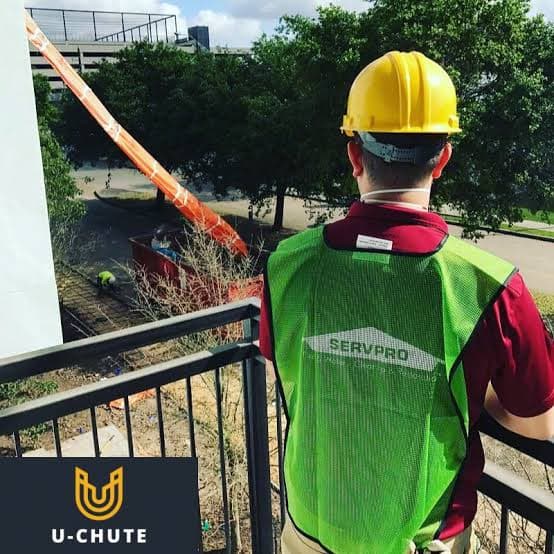
Westlake Hills is one of the most desirable communities in the Austin metro — and if you work in construction, demolition, roofing, or junk removal anywhere in this city, you already know the pace is relentless. Projects in Westlake Hills range from high-end single-family remodels to gut-scope interior demolition jobs in multi-story residences perched on the Hill Country terrain. Getting debris off the upper floors safely, legally, and efficiently is a real operational challenge.
That challenge is exactly what a quality trash chute solves. This guide covers everything contractors, roofers, junk removal companies, and property owners need to know about using debris chute systems for construction sites across Texas — with specific attention to the conditions, regulations, and project types you encounter in Westlake Hills.
Why Westlake Hills Projects Demand Better Debris Management
Westlake Hills is not a flat, easy-access job site. The city sits on the Balcones Escarpment, and many residential lots feature significant grade changes, narrow driveways, and mature tree coverage that limits where you can stage a dumpster. Streets in many neighborhoods are private, and proximity to neighboring properties is tight.
All of those factors make manual debris carries more dangerous and more time-consuming than they need to be. Crew members hauling heavy buckets of roofing shingles or demo rubble down steep interior stairways is one of the leading causes of jobsite injuries — a fact backed by OSHA's ergonomics and safe-lifting guidelines. A properly rigged trash chute eliminates that risk by letting gravity do the heavy lifting.
The Hill Country Terrain Factor
Sloped lots and two- to three-story home footprints mean debris frequently needs to travel 20 to 50 feet vertically before it reaches ground level. U-Chute's modular sections let crews stack sections to match the exact drop height, whether that's a 10-foot single-story drop or a full 50-foot run on a taller structure.
Neighboring Property Considerations
Westlake Hills homeowners expect a professional job site. Debris thrown from upper floors, clouds of drywall dust, or material spilling across property lines can damage relationships, generate complaints, and in some cases create liability exposure. A contained chute system keeps material controlled from point of release to dumpster landing — no mess, no drift, no neighbor issues.
What Is a Reusable Construction Trash Chute?
A construction trash chute is a connected series of cylindrical or rectangular chute sections that attach to a building at an upper floor opening — a window, a balcony rail, or a roof edge — and funnel debris straight down into a waiting dumpster or collection area. Think of it as a gravity-powered conveyor belt for waste.
U-Chute manufactures its chutes from a durable polymer-fabric composite that is lightweight enough for a one-person setup but tough enough to handle repeated loads of roofing shingles, broken concrete, lumber scraps, and general construction debris. Unlike single-use chutes that get thrown away at the end of the job, U-Chute systems are reusable — the same unit goes from project to project, paying for itself quickly.
How the Modular System Works
- Each section is designed to connect securely to the next, forming a continuous channel.
- The top section mounts to a window frame, scaffold rail, or roof edge via integrated attachment hardware.
- Debris enters from the top, travels through the connected sections, and exits at the bottom into a dumpster or debris pile.
- Setup typically takes one person 15 to 30 minutes depending on drop height.
- Teardown and storage is equally fast — the sections collapse or stack flat for transport.
The Four U-Chute Sizes and Which One Fits Your Westlake Hills Project
U-Chute makes four standard configurations, and choosing the right one for a Westlake Hills job comes down to two factors: the drop height from your debris source to the dumpster, and the weight/volume of material you expect to move. Here is how to think through each option.
10 ft Lite-Duty
Best for single-story residential work — a ground-floor bathroom gut, a detached garage cleanout, or a one-level roofing tear-off where the eave is close to grade. This is the entry-level option, ideal for homeowners doing a renovation project themselves or small crews on contained, light-debris jobs.
10 ft Heavy-Duty
The same 10-foot reach but built to handle heavier, more abrasive material like roofing shingles, ceramic tile, or stucco. If your single-story project involves dense debris, upgrade to heavy-duty so the chute wall holds up job after job. See our complete guide to trash chute setup for family home renovation projects for configuration tips.
25 ft Heavy-Duty
The workhorse for most Westlake Hills residential projects. A two- to three-story home typically puts the second-floor windows at 18 to 22 feet above grade, and the third-floor windows at 28 to 32 feet. A 25-foot chute handles the two-story scenario easily. It is the most popular choice for interior demo crews and roofers working on standard Westlake Hills estate homes.
50 ft Heavy-Duty
Reserved for tall structures: three- and four-story buildings, commercial work, or multi-story condominiums and apartment buildings. If you work commercial demo or large mixed-use projects anywhere in the greater Austin market, the 50-foot configuration is your tool. Read the full 50ft heavy-duty construction chute specifications breakdown to understand load ratings, attachment methods, and best practices for tall drops.
Industries That Use Trash Chutes Most in Westlake Hills
The Westlake Hills construction ecosystem includes several distinct trade categories that benefit from chute systems in different ways. Here is how each one typically uses a chute and what to look for when spec-ing the right system.
Residential Remodeling Contractors
High-end remodels in Westlake Hills routinely involve kitchen and bathroom gut-outs, whole-floor flooring replacement, and structural modifications that generate enormous volumes of debris. Without a chute, crews are making dozens of trips down stairs carrying heavy bags — burning labor hours and creating slip-and-fall risk. A 25-foot heavy-duty unit staged at a second-floor window turns a half-day of debris carries into a continuous, flowing operation.
Roofing Companies
Roofing is one of the highest-volume chute applications in the industry. A typical Westlake Hills roof tear-off on a 3,000-square-foot home generates multiple tons of shingles, felt paper, and flashing. Sliding that material directly into a dumpster from the roof edge — rather than tossing it loose or carrying it down a ladder — is faster, safer, and far cleaner for the property owner's landscaping and pool decking below.
Junk Removal Companies
Junk removal crews working multi-story Westlake Hills residences face the same stair-carry problem as remodeling contractors. Estate cleanouts can involve furniture, appliances, and boxes from multiple upper floors. A chute speeds throughput dramatically. See our complete guide on using a construction debris chute for junk removal companies for operational setup tips specific to this trade.
Demolition Contractors
Interior selective demolition — removing walls, ceilings, and flooring while keeping the structure standing — produces a constant stream of gypsum board, insulation, lath, and plaster. The best trash chute for interior demolition in multi-story buildings is one that can handle irregular, bulky pieces without clogging, which is why heavy-duty polymer-fabric construction matters on demo jobs.
Permit and Compliance Considerations in Westlake Hills
Westlake Hills is an incorporated city within Travis County, and it maintains its own code enforcement and building permit processes separate from the City of Austin. Any significant structural work — including demolition and major renovation — requires permits through the City of Westlake Hills building department.
Trash chutes themselves are generally considered temporary equipment rather than permanent structures, but placement matters. A chute that extends over a public right-of-way, hangs over a neighboring property line, or blocks a fire access route can trigger a stop-work order or require an additional temporary use permit. Always confirm with the city before installation.
Key Compliance Checkpoints
- Right-of-way clearance: Verify the chute exit point and the dumpster location are entirely on the permitted job site, not on the street or city easement.
- Attachment method: Chute hardware must not damage the building in a way that violates permit conditions. Use window-frame mounts or scaffold attachments that are removable without modification.
- Hours of operation: Westlake Hills enforces noise ordinances. Running a chute-fed debris operation outside of permitted construction hours can generate complaints.
- Dust containment: For fine material like drywall or insulation, add a dust sock or shroud at the chute exit to minimize airborne particles.
For a broader look at permit requirements across different states and municipalities, our resource on trash chute permit requirements by state in 2026 is a useful reference — though always verify locally.
Trash Chute vs. Dumpster-Only: Running the Numbers in Westlake Hills
A common question from first-time chute users is whether the equipment cost is worth it when they are already paying for a dumpster. The answer almost always comes back yes — and the math is straightforward.
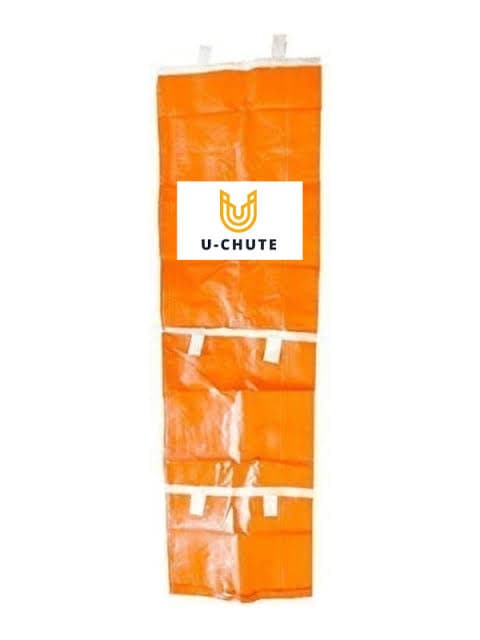
On a two-story Westlake Hills remodel, assume a three-person crew is doing interior demo. Without a chute, two crew members are hauling debris down stairs while one person does the actual demolition. With a chute rigged at the second-floor window, all three crew members can demolish while one person periodically feeds material into the chute. The productivity difference is substantial.
Labor Hours Saved
- Average stair-carry cycle (load bag, carry downstairs, deposit in dumpster, return): 4 to 6 minutes per trip.
- Average chute cycle (load bag, walk to chute opening, drop): under 60 seconds.
- On a full demo day generating 80 trips of material, that is roughly 4 to 5 hours of labor time recovered.
- At $35 to $60 per labor hour in the Austin market, that is $140 to $300 saved on a single day's work — before factoring in injury risk reduction.
For a full side-by-side analysis, see our trash chute vs. dumpster rental cost comparison.
Environmental Benefits of Reusable Chute Systems
Single-use debris chutes — typically made from thin plastic or cardboard — are a surprisingly large source of construction site waste. They get damaged, they degrade quickly under heavy loads, and at the end of the job they go in the dumpster along with everything else.
A U-Chute reusable system changes that equation. The polymer-fabric construction is designed for hundreds of uses. Over the life of a typical contractor's chute, the reduction in single-use plastic and disposable equipment waste is meaningful — especially given the scale of the construction debris problem nationally. According to EPA data on materials waste and recycling, construction and demolition debris accounts for a significant share of total solid waste in the United States. Making reusable equipment choices at the jobsite level is one tangible step contractors can take toward reducing that footprint.
Responsible Debris Sorting at the Chute Exit
A trash chute does not automatically sort your debris — but it does consolidate it into one exit point, which makes separation easier. Some contractors stage a second collection area at the chute exit for recoverable materials: clean wood, metal, cardboard. This approach aligns with broader EPA recycling guidance for the construction industry and can reduce your dumpster tonnage — which directly lowers haul-away costs.
Ordering and Logistics: Getting a U-Chute to Your Westlake Hills Job
U-Chute sells directly online with free shipping anywhere in the United States — including Westlake Hills and the surrounding Austin metro. There is no dealer markup, no freight surcharge for Texas addresses, and no minimum order. You pick the size you need, complete the purchase online, and the chute ships to your location.
Delivery and Lead Time
Chutes ship from U-Chute's manufacturing facility and transit times vary by destination, but most Texas addresses receive orders within a standard business shipping window. If you have a project start date on the calendar, order as soon as the project is confirmed to ensure the equipment arrives before you need it. Check the frequently asked questions page for current shipping timelines and carrier information.
What Arrives in the Box
- All chute sections for the selected size configuration.
- Attachment hardware appropriate for the chute model.
- Assembly and installation instructions.
- No tools required for basic setup beyond what any crew already carries.
Storage Between Jobs
One advantage of the polymer-fabric construction is that the chute sections are relatively compact when broken down. A 25-foot system can be stored in a standard truck bed or cargo van between jobs. No special climate-controlled storage required — the material handles temperature variation across Texas seasons without degrading.
Setup Best Practices for Westlake Hills Job Sites
Getting the chute rigged correctly on the first try saves time and ensures the system performs safely throughout the project. Here is a field-tested setup sequence for typical Westlake Hills residential projects.
Pre-Installation Site Assessment
- Identify the drop point: Choose the window, balcony opening, or roof edge closest to the dumpster staging area. Minimize horizontal distance from chute exit to dumpster opening.
- Measure the vertical drop: From the selected attachment point to the top of the dumpster, measure the actual vertical distance. This determines which chute size you need.
- Check clearances: Ensure nothing is in the path of the chute — HVAC equipment, electrical lines, architectural overhangs, or landscaping below.
- Confirm dumpster position: The dumpster should be as close to directly below the chute exit as the site allows. An angled or offset exit increases the chance of debris missing the container.
Attachment and Rigging
- Attach the top section first, securing to the window frame or scaffold rail before adding lower sections.
- Work downward, connecting each section and verifying the connection is fully engaged before proceeding.
- On windy days — and Westlake Hills gets Hill Country gusts — add intermediate tie-offs along the building face to prevent the loaded chute from swaying.
- Test with a single, light load before committing to full production debris flow.
Common Mistakes to Avoid When Using a Trash Chute
Even experienced crews make setup and usage errors that reduce chute performance or create safety issues. These are the most common ones on Texas job sites.
Overloading with Single Large Pieces
A chute section has a finite opening diameter. Trying to force a full sheet of drywall, a large timber, or a bulky appliance part through the chute can cause a jam that stops production and puts stress on the attachment hardware. Break large pieces down before feeding them into the chute — this is faster than clearing a jam.
Ignoring the Dumpster Fill Level
As the dumpster fills, the effective drop distance from the chute exit to the debris surface decreases. If the dumpster becomes too full, debris can bounce back, overflow the container, or cause material to pile up outside. Monitor fill level and arrange for a dumpster swap before it becomes a problem.
Skipping Intermediate Tie-Offs on Tall Drops
A 50-foot unsupported chute with a full debris load can generate significant lateral stress on the top attachment point. Always add intermediate anchor points every 10 to 15 feet on tall installations. This is both a safety requirement and a hardware longevity issue.
Not Briefing the Full Crew
Everyone on the job site should know where the chute is, what can and cannot go through it, and what to do if a jam occurs. A quick five-minute crew briefing at the start of each day prevents most operational problems.
U-Chute Compared to Other Debris Management Approaches
Westlake Hills contractors have several options for moving debris off upper floors. Here is how they stack up in practice.
- Manual stair carries: Zero equipment cost but maximum labor cost and injury risk. Appropriate only for very small volumes on single-story work.
- Tossing from windows or balconies: Fast but uncontrolled. Creates debris scatter, dust clouds, damage to landscaping and hardscaping, and potential injury to anyone below. Typically prohibited by job site safety standards.
- Crane or hoist with debris bags: Used on large commercial sites. Extremely effective but requires crane equipment and operator — overkill and cost-prohibitive for residential work.
- Single-use plastic chutes: Available but generate additional waste at end of job, degrade under heavy loads, and must be repurchased for every project.
- Reusable U-Chute system: Purchase once, use on every job. Lightweight, ships free, handles the debris types common in residential and light-commercial Texas work. Best all-around value for contractors who work regularly.
Where Else in Texas Does U-Chute Ship?
Westlake Hills is one of hundreds of Texas communities where U-Chute ships directly to the job site or contractor's yard. The free US shipping policy applies statewide — whether you are working in Austin proper, the Hill Country, Houston, Dallas-Fort Worth, San Antonio, or smaller markets. No minimum purchase, no freight add-on.
U-Chute also ships free to customers anywhere in the United States. Whether your crew works in Asheville, North Carolina, Boulder, Colorado, Sarasota, Florida, or Portland, Maine, the same product, same pricing, and same free shipping applies. Learn more about U-Chute and how the company serves contractors nationwide.
Frequently Asked Questions
What size trash chute do I need for a two-story home in Westlake Hills?
Most two-story Westlake Hills homes have second-floor window openings between 16 and 22 feet above grade. A 25-foot heavy-duty chute provides enough length to cover that drop comfortably while allowing for the angle of attachment and the clearance above the dumpster opening. If the home sits on a sloped lot where the ground drops away steeply on one side, measure the actual vertical distance from your attachment point to the dumpster top before ordering.
Can a single worker set up a U-Chute trash chute without help?
Yes. The polymer-fabric sections are lightweight by design, and a 10-foot or 25-foot system can typically be set up by one person working from inside the building at the attachment window. Taller configurations — particularly the 50-foot system — benefit from a second person on the ground to guide lower sections into position and verify the exit alignment over the dumpster. Setup time ranges from about 15 minutes for a short system to around 45 minutes for a full 50-foot installation.
Is a permit required to use a trash chute in Westlake Hills?
Trash chutes are generally considered temporary job site equipment and typically do not require a separate permit in most Texas jurisdictions, including Westlake Hills. However, the dumpster placement, the underlying construction scope, and any chute hardware that attaches to the building exterior may be subject to review. Always verify with the City of Westlake Hills building department and confirm that your chute placement does not encroach on public rights-of-way or neighboring properties before installation.
How many times can a U-Chute system be reused?
U-Chute systems are engineered for repeated commercial use across multiple projects. The polymer-fabric construction resists abrasion from common debris types including roofing shingles, drywall, tile, and lumber. With proper storage and reasonable handling, a single U-Chute system can serve a contractor's operation across many projects over several years, making the per-use cost a small fraction of the purchase price. Inspect connection points and fabric surfaces periodically for wear, and replace any section showing significant degradation before use.
Does U-Chute offer free shipping to Westlake Hills, Texas?
Yes. U-Chute ships free to all US addresses, including Westlake Hills and the entire Austin metro area. There are no freight surcharges, no minimum order requirements, and no dealer markups — you purchase directly online and the chute ships to your project address or contractor yard. Visit the contact page if you have questions about your specific delivery address.
What types of debris can go through a U-Chute trash chute?
U-Chute heavy-duty systems are designed to handle the debris types most common in construction, demo, roofing, and junk removal work: roofing shingles, drywall and plaster, lumber and trim, ceramic and porcelain tile, insulation, flooring materials, cardboard, and general renovation waste. You should avoid forcing single pieces that are too wide for the chute opening, and liquids or slurry materials should not be channeled through the system. Break oversized pieces down before loading to prevent jams.
Can trash chutes be used on flat roofs for commercial projects near Westlake Hills?
Absolutely. Flat-roof commercial buildings are common in the Austin metro and the chute setup for a flat roof application typically involves mounting the top section at the roof parapet or edge, angling it to direct material away from the building face and into the dumpster below. The 25-foot and 50-foot heavy-duty systems are most common for commercial roof applications. Confirm attachment hardware is compatible with your parapet material before installation, and add ballast or tie-offs if wind exposure is significant at the roof level.
Ready to Order Your Trash Chute for Your Next Westlake Hills Project?
Whether you are a roofing contractor tearing off a tile roof on a Westlake Hills estate, a remodeling crew gutting a three-story interior, or a junk removal company working through a full-home cleanout, a U-Chute reusable trash chute system will save you time, protect your crew, and keep your job site professional from day one.
U-Chute sells directly online with free shipping to Westlake Hills and every other US address. Choose the size that matches your drop height, complete your purchase, and have the equipment at your door before your project starts. Browse the full U-Chute product lineup or visit the debris chute systems page to find the right configuration for your next job — then get in touch if you have any questions before ordering.