
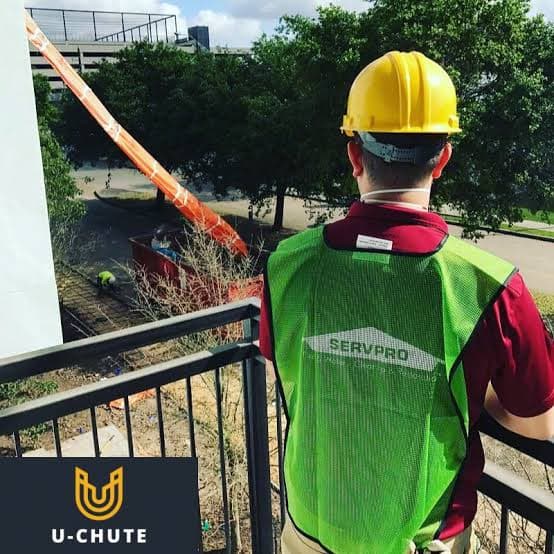
If you've started shopping for a construction trash chute, you've already noticed that prices vary — sometimes dramatically — depending on size, material, and how the chute is built. For crews managing debris on roofing tear-offs, demolition jobs, junk removal runs, or renovation sites, choosing the wrong size is a costly mistake in both directions: too small and you're making extra trips; too large and you've spent money on capacity you'll never use.
This guide gives you a complete reusable trash chute price breakdown by size, explains exactly what drives those prices, and helps you match your project type to the right chute — so your buying decision is grounded in real criteria, not guesswork.
Why Reusable Trash Chutes Are a Smarter Investment Than Disposable Alternatives
Let's start with the fundamental question: why buy a reusable chute at all, rather than renting or rigging a disposable solution job by job?
The math isn't complicated. A reusable polymer-fabric trash chute, maintained properly, handles dozens of projects before showing meaningful wear. Rental fees for debris chutes — when you can even find them locally — accumulate fast on projects longer than a few days. Disposable plastic chuting degrades quickly, tears under heavy loads, and contributes to the jobsite waste stream you're trying to manage in the first place.
- Reusuability: Polymer-fabric construction handles repeated deployment without cracking, splitting, or UV degradation that plagues cheaper materials.
- Portability: Lightweight sections stack and travel in a pickup truck or van — no special freight required.
- Free shipping: U-Chute ships every order free anywhere in the United States, so the sticker price is the landed cost.
- Versatility: The same chute works for roofing, demo, junk removal, and renovation — one purchase covers multiple revenue streams.
According to the EPA's materials waste and recycling data, construction and demolition debris makes up a massive share of total solid waste generated in the United States. Equipment that helps crews channel that debris efficiently — rather than tossing it from windows or hauling it down ladders by hand — supports both safety and sustainability goals simultaneously.
How Chute Size Determines Price: The Core Variables
Before diving into the specific size tiers, it helps to understand what actually drives the price difference between a 10 ft chute and a 50 ft chute. It's not just "more material equals more money" — though that's part of it.
Material Volume and Fabric Weight
Longer chutes require more polymer fabric per unit. Heavy-duty variants use a denser, more tightly woven fabric that adds weight per linear foot. This isn't a trivial cost difference — heavy-duty fabric can weigh meaningfully more per section than lite-duty, which directly affects manufacturing cost and the final price.
Structural Reinforcement at Section Joints
Every chute section connects to the next. At greater lengths, those connection points experience higher cumulative load stress as debris travels the full drop distance. Heavy-duty chutes address this with reinforced collars and connection hardware that adds cost but prevents the blowouts and separations that would make a cheaper chute dangerous at height.
Drop Height Engineering
A 10 ft lite-duty chute is engineered for modest drop heights — a single story, a low roofline, a dumpster drop from ground level. A 50 ft heavy-duty chute is engineered to handle four to five stories of continuous debris flow. That engineering margin isn't free, and it's reflected in price.
The 10 ft Lite-Duty Chute: Entry Price Point and Best Use Cases
The 10 ft lite-duty is U-Chute's entry-level offering — and "entry-level" here means purpose-built for lighter work, not a compromised product. This size is priced to be accessible for smaller operations and sole-proprietor contractors who need a professional debris management solution without a large upfront investment.
Who Buys the 10 ft Lite-Duty
- Solo roofers working single-story residential jobs
- Junk removal operators clearing second-floor rooms
- Small renovation contractors handling drywall and light framing scrap
- Property managers conducting periodic unit cleanouts
What You Get for the Price
At this tier you're buying a single 10 ft section that handles most single-story and low two-story applications. The polymer-fabric construction is lighter per section than the heavy-duty line, which keeps the price down and makes the chute easy to set up and break down solo. It's not rated for heavy masonry or roofing shingles at volume — that's what the heavy-duty line is for — but for the jobs it's designed for, it performs reliably job after job.
If your work involves primarily residential single-story jobs and you want to see how a chute changes your workflow before committing to a larger system, the 10 ft lite-duty is the lowest-risk entry point in the lineup.
The 10 ft Heavy-Duty Chute: Same Drop Height, Serious Capacity
The 10 ft heavy-duty occupies an interesting position in the lineup: same drop length as the lite-duty, but built for harder work. The price step up from lite-duty to heavy-duty at the 10 ft level reflects the fabric upgrade — not extra length.
When Heavy-Duty at 10 ft Makes Sense
- Single-story roofing tear-offs with heavy asphalt shingles
- Demo jobs where you're dropping concrete chunks, tile, or heavy framing
- Junk removal companies that handle appliances and dense material regularly
- Contractors who want a single chute that covers both light and heavy applications
The practical advantage here is durability over time. If you're running a junk removal company and your chute takes a beating every week, the lite-duty fabric will show wear faster. Paying the modest premium for heavy-duty at this size extends the useful life of the equipment and reduces your cost-per-deployment over a full season or year.
Check out our Complete 2026 Guide for junk removal companies using construction debris chutes for a deeper look at how this size fits into that specific workflow.
The 25 ft Heavy-Duty Chute: The Versatile Mid-Range Option
The 25 ft heavy-duty is where the lineup gets genuinely versatile. Two-and-a-half stories of drop distance covers the vast majority of residential construction and a significant portion of light commercial work. This is the size most frequently matched to the widest range of real-world job types.
Project Types That Fit 25 ft Heavy-Duty
- Two-story residential roofing replacements
- Three-story apartment or condo renovation work
- Commercial demo on single-floor taller structures (warehouses, big-box interiors)
- Junk removal operators working in multi-story buildings without elevator access
- Deconstruction crews separating materials for EPA-recommended recycling streams
Price Positioning at 25 ft
The 25 ft heavy-duty price reflects both the increased material volume and the reinforced engineering for mid-range drop distances. This is where crews doing recurring commercial work often land — it's enough chute for the majority of jobs without the cost or logistics of the full 50 ft system. If you're unsure between the 25 ft and the 50 ft, consider your most common job height, not your largest occasional job.
For crews in the Pacific Northwest, see how contractors are deploying this size with our Bend, Oregon reusable trash chute guide. For crews further east, the Asheville, NC reusable trash chute resource covers common regional applications.

The 50 ft Heavy-Duty Chute: Maximum Drop for Serious Commercial Work
The 50 ft heavy-duty is U-Chute's flagship — engineered for four to five story drops, high-volume debris flow, and the demanding conditions of serious commercial or large-scale residential demolition. The price premium over the 25 ft system is real, and it's justified by the engineering and material investment required to make that performance possible safely.
When You Actually Need 50 ft
- Four- and five-story residential or mixed-use renovation projects
- Large commercial building demolition or strip-out
- Multi-unit residential complexes where debris drops span multiple floors
- High-volume roofing contractors working on tall commercial structures
- Industrial deconstruction projects with sustained debris flow
Cost-Per-Project Analysis at This Tier
At the 50 ft level, the calculation shifts from "can I afford this chute" to "what does this chute cost me per project over its lifespan." If you're running four large commercial jobs a year and each would otherwise require rental equipment, scaffolding workarounds, or manual relay systems to move debris, a single purchase of the 50 ft heavy-duty pays for itself quickly. The key variable is your project frequency and average drop height.
Review our Trash Chute Cost Estimator by Project Scope to run that math for your specific situation before deciding between the 25 ft and 50 ft options.
Lite-Duty vs. Heavy-Duty: Understanding the Fabric Difference
The lite-duty vs. heavy-duty distinction runs across both 10 ft sizes and is worth understanding clearly before you buy. This isn't marketing language — it's a genuine engineering difference in fabric specification.
Lite-Duty Fabric Characteristics
- Lower fabric weight per linear foot — lighter to carry and set up
- Designed for debris that is light to medium density (drywall, light framing, cardboard, household junk)
- More price-accessible for infrequent or low-intensity use
- Not rated for sustained heavy masonry, shingle, or concrete flow
Heavy-Duty Fabric Characteristics
- Denser polymer weave handles abrasive and heavy material without abrasion wear at the inner surface
- Reinforced at connection points and high-stress areas where debris impact is concentrated
- Appropriate for roofing shingles, concrete rubble, tile, and mixed-weight demo debris
- Higher upfront price, longer service life under demanding conditions
A common mistake contractors make is buying lite-duty because the price is lower and then using it on heavy roofing work. The chute will degrade faster, potentially fail mid-job, and end up costing more than buying the right spec from the start. Match the duty rating to your actual debris type, not your budget preference.
The construction debris chute vs. dumpster comparison also covers how duty rating affects the total cost equation when weighed against container rental fees.
Free Shipping and What It Actually Means for Your Total Cost
U-Chute ships every chute free anywhere in the United States. That's not a promotional footnote — it's a structural part of how the pricing works. When you're comparing chute prices across vendors, the delivered cost is the only number that matters.
Some suppliers price chutes attractively and then add freight charges that can rival a significant portion of the product price, particularly for the longer 50 ft systems. Polymer fabric chutes are lightweight relative to their size, but dimensional weight on long packages can trigger high freight rates with standard carriers.
- U-Chute's listed price = the price you pay, no freight added at checkout
- Free shipping applies to all four sizes, including the 50 ft heavy-duty
- Delivery covers the contiguous United States
For contractors ordering from cities across the country — whether you're in Columbia, SC, Boulder, CO, or Fargo, ND — the delivered cost is the same. That's a meaningful advantage when planning project budgets.
Matching Chute Size to Project Type: A Practical Decision Framework
Price alone shouldn't drive your size decision. The right chute is the one that matches your drop height, debris type, and project frequency. Here's a straightforward decision framework:
Step 1: Measure Your Drop Height
Stand at the highest point where debris will enter the chute and measure to the ground or the top of your dumpster. Add 2 to 3 ft of buffer. That number is your minimum chute length requirement. Don't buy shorter than your actual drop — a chute that doesn't reach creates a debris gap that defeats the purpose.
Step 2: Categorize Your Debris Type
- Light debris (drywall, light framing, household junk, cardboard): Lite-duty fabric is appropriate.
- Heavy debris (shingles, tile, concrete, masonry, appliances): Heavy-duty fabric is required.
- Mixed debris (typical renovation — some of both): Default to heavy-duty for the margin.
Step 3: Factor in Project Frequency
If you're running three or more projects per month that need a chute, the durability premium on heavy-duty fabric pays back faster. If you're running one or two jobs per season, a lite-duty 10 ft chute might serve your actual volume adequately.
Step 4: Think Across Your Service Mix
Junk removal companies, roofing contractors, and demo crews often have a variety of job heights in their typical month. If 80% of your jobs are single-story and 20% are two-story, the 25 ft heavy-duty covers everything. If your typical job is single-story residential, the 10 ft heavy-duty handles it efficiently without paying for length you won't use.
See the full U-Chute debris chute system overview for specifications on each size, or visit the FAQ page for common questions about deployment, capacity, and compatibility.
Safety Considerations That Affect Which Size You Buy
OSHA ergonomics guidelines make clear that manual material handling — carrying heavy debris down ladders, tossing material from heights, relay-passing bags down stairwells — is one of the leading causes of musculoskeletal injury on construction sites. A properly sized trash chute eliminates much of that manual handling by letting gravity do the work.
But "properly sized" matters for safety too. An undersized chute creates jam points where debris stacks up inside the tube. Crew members then have to clear those jams, often reaching into or shaking a loaded chute — a hazardous condition. An oversized chute for very light debris can create a different problem: material skipping and bouncing unpredictably in a tube that's too long for the debris volume being fed into it.
- Match chute diameter and length to your typical debris volume per hour, not just the total drop distance.
- Secure the top attachment point properly at the window, scaffold, or roof edge — an improperly anchored chute at height is a fall hazard for debris and the chute itself.
- Keep the landing zone (dumpster, ground area, or container) clear of workers during active debris flow.
- Review OSHA's ergonomics guidance for safe lifting and loading practices when loading material into the top of the chute.
The right size chute, correctly installed, is the safety solution — not an afterthought. That's part of why matching size to job type matters beyond just cost.
What Contractors Get Wrong When Buying by Price Alone
After laying out the full price breakdown, it's worth naming the most common mistakes contractors make when price is the primary decision variable.
Buying Too Short to Save Money
The 10 ft chute is the lowest price point, and some contractors buy it for jobs that actually require 25 ft. The result: the chute doesn't reach the dumpster, debris drops uncontrolled, and the chute is either abandoned or rigged in an unsafe workaround. Buy for your actual drop height.
Buying Lite-Duty for Heavy Work
Already covered above, but worth repeating: lite-duty fabric on a heavy shingle or masonry job wears fast. The cost difference between lite-duty and heavy-duty is modest relative to the cost of replacing a damaged chute or losing it mid-project.
Ignoring the Per-Project Cost Math
A contractor who looks at the 50 ft heavy-duty price and decides it's too expensive — then rents equivalent equipment for six jobs over the year — almost always spends more in total. Do the per-project math before defaulting to the lowest sticker price.
Not Accounting for Free Shipping
When comparing to a competitor's seemingly lower price, always add freight. A chute that costs less but ships freight-collect can end up more expensive delivered — especially for the longer sizes. U-Chute's free shipping to any US address removes that variable entirely.
The Spring 2026 debris cleanup guide for contractors covers additional operational best practices that complement the right equipment choice.
Looking Ahead: Market Trends Affecting Chute Pricing in 2026 and Beyond
The reusable construction equipment market has seen sustained demand growth as contractors face both rising disposal costs and increasing jobsite sustainability requirements from project owners and municipalities. Several trends are shaping where chute pricing and demand go from here.
Increased Disposal Cost Pressure
Landfill tipping fees have risen in most US markets over the past several years. As debris disposal costs increase, the relative value of equipment that helps crews move debris efficiently — and separate recyclable streams more effectively — goes up. Chutes that save labor hours and help crews use smaller, more precisely sized containers become more valuable, not less, as disposal costs climb.
Sustainability Requirements on Commercial Projects
More commercial project owners are requiring documented waste diversion plans as part of general contractor qualifications. A reusable chute system that enables sorted debris flow is a natural fit for those requirements — and buying your own equipment rather than renting creates a documented, repeatable capability you can cite in bids.
What to Watch for in 2027
The Q1 2027 Trash Chute Market Trends for Contractors post tracks emerging developments — including how sustainability certifications and municipal debris regulations are shaping equipment decisions heading into next year.
The SBA's small-business operations guidance also points to equipment ROI documentation as an increasingly important practice for contractors seeking financing or bonding — another reason to think of your chute purchase as a capital asset with a documented lifespan, not a consumable expense.
Frequently Asked Questions
What is the price difference between the 10 ft lite-duty and the 10 ft heavy-duty chute?
The 10 ft heavy-duty is priced modestly higher than the 10 ft lite-duty, reflecting the upgrade in polymer-fabric specification rather than any difference in drop length. Both are 10 ft sections, but the heavy-duty fabric is denser, more abrasion-resistant, and rated for heavier debris like shingles, tile, and concrete rubble. For contractors who regularly handle heavy material, the price premium on the heavy-duty is worth it — the fabric lasts significantly longer under demanding conditions, lowering your cost per deployment over time.
Is the 25 ft chute made of multiple sections, and does that affect the price?
Yes — longer chutes like the 25 ft and 50 ft systems are built as stackable sections that connect together to reach the full drop height. The price reflects the total material and hardware in the complete system. Each section uses the same heavy-duty polymer fabric and connects via reinforced collars. Sectional construction also makes the chute easier to transport and store than a single rigid tube of equivalent length, which is a practical advantage for mobile crews working multiple sites.
Does free shipping apply to all four chute sizes, including the 50 ft?
Yes. U-Chute offers free shipping on all four sizes — the 10 ft lite-duty, 10 ft heavy-duty, 25 ft heavy-duty, and 50 ft heavy-duty — to any address in the United States. There are no freight surcharges added at checkout. This matters most for the larger 50 ft system, where dimensional weight charges from standard carriers can be significant. The listed price on the site is your total cost for the product delivered to your location.
How do I choose between the 25 ft and 50 ft heavy-duty chutes based on price and project fit?
The best way to decide is to measure your most common drop height, then add a 2 to 3 ft buffer. If your typical jobs top out at two to three stories — roughly 20 to 28 ft of drop — the 25 ft heavy-duty covers them comfortably. If you regularly work on four- to five-story structures or tall commercial buildings, the 50 ft system is the right choice. Avoid buying by price point alone: purchasing a 25 ft chute for a 40 ft drop forces unsafe improvisation that costs more in risk and rework than the price difference between sizes.
Can one chute size handle both roofing and junk removal jobs?
Often, yes — with the right size selection. Roofing tear-offs and junk removal share the characteristic of dropping mixed-weight debris from height into a container below. The 10 ft or 25 ft heavy-duty is the most common crossover choice for contractors who do both. The key is matching duty rating to your heaviest debris type (shingles and tile are heavy; light junk removal loads are not), and matching length to your tallest regular job. Many U-Chute customers in junk removal and roofing use the same chute across both service lines.
How long does a reusable polymer-fabric chute last, and how does that affect the price value?
With proper use and basic care — rinsing after heavy debris jobs, storing out of prolonged UV exposure, inspecting connection points periodically — a heavy-duty polymer-fabric chute handles dozens of deployments before showing meaningful wear. The actual lifespan depends on debris type and frequency of use. Heavy masonry work is more abrasive than light renovation debris. For most contractors running the chute once or twice a week, a heavy-duty system remains serviceable for multiple seasons, making the per-job cost a fraction of the purchase price by the end of year one.
Are there any hidden costs beyond the listed price for a U-Chute chute?
No. The listed price on the U-Chute site is what you pay. Shipping is free to all US addresses. There are no assembly fees, mandatory accessories, or add-on charges required to put the chute into service on a standard job. Some crews purchase additional securing hardware — straps, hooks, or anchoring supplies — based on their specific installation setup, but those are standard contractor supplies rather than chute-specific requirements. The chute arrives ready to deploy.
Ready to Choose the Right Chute for Your Next Project?
Now that you have a complete picture of how reusable trash chute pricing maps to size, duty rating, and project type, the next step is straightforward: match your most common drop height and debris type to the appropriate size, and place your order with free US shipping included.
Visit the U-Chute debris chute system page to review current pricing on all four sizes and place your order directly. If you have questions about which size fits your specific workflow, the contact page is the fastest way to get a direct answer — or browse the FAQ for common deployment and sizing questions answered in detail.
Quality construction debris management without compromise — that's what U-Chute delivers, at every size and price point in the lineup.