
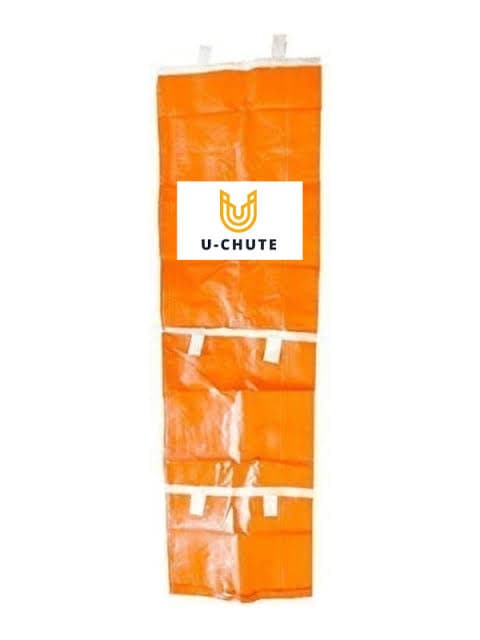
Running a construction, demolition, or renovation project in New York comes with a mountain of paperwork — permits, site safety plans, fall protection requirements, and debris management protocols. One area that continues to catch contractors off guard is trash chute safety compliance. In 2026, New York City building codes and OSHA federal standards have tightened enforcement on how debris chutes are installed, used, and inspected on multi-story worksites.
This guide gives you the complete, field-tested trash chute safety compliance checklist for New York in 2026. Whether you're managing a residential gut renovation in Brooklyn, a commercial demolition in Midtown, or a roofing project in the Bronx, this checklist will help you stay legal, protect your crew, and pass inspections without a scramble.
Why Trash Chute Compliance Matters More in New York Than Anywhere Else
New York State — and New York City in particular — operates under one of the most scrutinized construction regulatory environments in the United States. The NYC Department of Buildings (DOB) issues thousands of construction violations each year, and debris management is a recurring item on enforcement checklists.
Beyond the local codes, federal OSHA standards apply to every worksite regardless of location. The combination of city-specific rules layered on top of federal requirements means a contractor in New York effectively has two compliance frameworks to satisfy simultaneously.
- NYC DOB enforces its own Site Safety Plans, which must address debris disposal methods for buildings over six stories.
- OSHA 29 CFR 1926 (Construction Standards) governs debris chute design, placement, and securing on federally covered projects.
- New York State Department of Labor adds additional worker-protection layers in some cases.
- Local Law 196 (enhanced site safety training) means your crew operating the chute must hold valid OSHA 10 or OSHA 30 cards on many covered projects.
Getting any one of these wrong can mean stop-work orders, fines, and — most critically — preventable injuries on your site.
The Foundation: What Federal OSHA Says About Construction Trash Chutes
Before diving into New York-specific rules, every compliance checklist has to start with the federal floor. OSHA's ergonomics and safe-handling standards provide the baseline that New York's codes build upon.
OSHA 29 CFR 1926.252 — Debris Chutes
This is the primary federal regulation governing construction debris chutes. Here are the key requirements you need to know cold:
- Enclosed chutes required at height: Whenever materials are dropped more than 20 feet to an exterior location, an enclosed chute must be used.
- Hazard zones: A danger zone must be clearly marked around the lower receiving area. No workers may be present in the drop zone during active use.
- Barricades: The area around the bottom of the chute must be properly barricaded to prevent unauthorized access.
- Dusty or hazardous materials: Debris that creates excessive dust must be wetted down before or during removal.
- Securing the chute: Chute sections must be positively attached to the structure — not simply leaned or braced — to prevent movement or collapse.
OSHA Ergonomics and Manual Handling
Loading a trash chute without proper technique causes musculoskeletal injuries — one of the most common worksite injury categories. Per OSHA's guidance, your site plan should address:
- Maximum load weight per individual worker when feeding the chute intake.
- Mechanical assist options (buckets, shovels, wheelbarrows) to reduce manual lifting strain.
- Proper footing and bracing at the intake level, particularly on sloped roofs or elevated floors.
New York City DOB Requirements Specific to Trash Chutes
The NYC Department of Buildings layers its own Technical Policy and Procedure Notices (TPPNs) and Building Code sections on top of OSHA. For high-rise and mid-rise work — which describes the vast majority of New York City construction — the requirements become substantially more detailed.
Site Safety Plan Inclusion
For buildings seven stories and above (and some six-story projects), NYC requires a Site Safety Plan filed with the DOB. Debris management — including trash chute placement, securing method, and hazard-zone dimensions — must be explicitly addressed in that plan. Inspectors will check the plan against actual site conditions during unannounced visits.
Designated Site Safety Manager Responsibilities
On covered projects, the Site Safety Manager (SSM) or Superintendent is specifically responsible for:
- Ensuring the chute is properly installed and secured at the start of each workday.
- Conducting a visual inspection of all chute connections before debris removal begins.
- Logging any damage, displacement, or unusual wear in the site safety logbook.
- Ensuring the receiving area hazard zone is barricaded and signed before any chute use.
Scaffolding Integration Rules
Many New York projects run debris chutes alongside or through scaffold systems. The DOB has specific requirements about how chutes may be attached to or routed through scaffolding:
- Chute brackets must be engineered or rated for the load they will carry.
- The chute must not transfer load forces to scaffold uprights beyond the scaffold's rated capacity.
- A licensed engineer's stamp may be required for non-standard installations on covered sites.
The Complete Trash Chute Safety Compliance Checklist for New York 2026
Use this checklist at three stages: before installation, during active use, and after the job. Keep a printed copy in your site safety logbook for each project.
Pre-Installation Checklist
- Confirm chute is in the Site Safety Plan. Verify that debris chute location, securing method, and hazard-zone dimensions are documented and filed with the DOB before work begins.
- Inspect chute sections for damage. Check every section for tears, worn grommets, cracked rings, or damaged attachment hardware before assembly. Damaged sections must be replaced — not field-repaired with tape or wire.
- Verify chute size is appropriate for the drop height. A debris chute system must reach from the intake point to the receiving container below without gaps. Stacking sections to match drop height is essential — never run a chute that leaves a free-fall gap at the bottom.
- Confirm the receiving container is in place and adequate size. A dumpster or debris container must be positioned at the base before the chute is activated. The container opening must align with the chute discharge.
- Establish and mark the hazard zone. Use physical barricades (not just tape) around the base of the chute on all sides accessible to foot traffic. Post signage in English and Spanish as required by NYC safety standards.
- Brief all crew members on chute protocol. Every person who will load or work near the chute must understand the intake procedure, the prohibited-materials list, and the emergency stop protocol.
- Confirm OSHA 10 or OSHA 30 credentials for workers on covered sites. Under Local Law 196, crews on many NYC projects must hold valid safety training cards. Spot-checks happen.
During-Use Daily Inspection Checklist
- Visual inspection of all section connections — every morning before use. Look for sections that have shifted, connections that have loosened, or attachment points that show stress cracking.
- Check that hazard-zone barricades are intact. Overnight, barricades get moved by pedestrians, deliveries, or other trades. Reset them before any chute use each day.
- Confirm the receiving container has not been moved or overfilled. An overfull container is a debris-spillage risk and a code violation. Arrange timely pickup before the container reaches capacity.
- No prohibited materials in the chute. Live electrical components, hazardous materials, liquids, and overly large rigid chunks that can jam the chute are prohibited. Post the prohibited materials list at the intake point.
- Maintain one-at-a-time loading discipline. Only one person loads the chute at a time. No simultaneous top-loading and ground-level adjustment work.
- Log the daily inspection in the site safety logbook. Date, time, inspector name, and any deficiencies noted. This log is your legal protection during DOB inspections.
Post-Job / Removal Checklist
- Barricade the receiving area during chute disassembly. Disassembly is when overhead risk spikes — keep the hazard zone active until the last section is down.
- Inspect sections for wear and damage after use. Mark any sections that need repair or replacement before your next deployment.
- Clean sections before storage. Polymer-fabric chutes last significantly longer when stored clean and dry. A hose-down on site before packing saves money over the long run.
- Update inventory records. Document which sections are in serviceable condition, which need repair, and your total section count for the next project sizing.

Choosing the Right Chute Size for New York Projects
One of the most common compliance-adjacent mistakes on New York sites is using a chute that is not sized correctly for the actual drop height. This creates either a gap at the bottom (a debris spillage and injury risk) or excess chute pooling on the ground (a trip hazard and obstruction violation).
U-Chute offers four sizes that cover the range of typical New York construction scenarios:
- 10 ft lite-duty: Best for single-story cleanouts, low-rise residential work, or supplementing a larger chute at the final discharge point.
- 10 ft heavy-duty: The right call for heavier demolition debris on shorter drops — masonry fragments, tile, dense roofing material.
- 25 ft heavy-duty: Covers the typical two-to-four-story brownstone or townhouse renovation common across Brooklyn, Queens, and upper Manhattan.
- 50 ft heavy-duty: The workhorse for mid-rise commercial demolition and gut renovations on the taller building stock typical of Midtown and lower Manhattan.
For most New York high-rise projects, crews stack multiple sections to reach from the work floor to grade. The cost per project is still far lower than alternative debris handling methods when you factor in labor time, injury risk, and dumpster overage fees from sloppy manual tossing.
Prohibited Materials — What Cannot Go Down the Chute
New York's environmental regulations add a compliance layer that purely structural sites in other states may not face. The EPA's materials waste and recycling data highlights that construction and demolition debris is one of the largest waste streams in the country — and regulators at every level are watching how it's managed.
NYC-Specific Prohibited Materials
- Asbestos-containing materials (ACM): Any material that tests positive for asbestos cannot be handled through a standard debris chute. NYC has strict asbestos abatement protocols involving sealed, negative-pressure work areas and licensed abatement contractors.
- Lead paint debris: Pre-1978 buildings in New York often contain lead paint. Painted debris must be handled under the applicable lead-safe work practice rules — debris chutes used for lead-containing material require specific dust-suppression measures and waste segregation.
- Hazardous liquids: No paints, solvents, oils, or chemical containers may go through a debris chute.
- Live or energized electrical components.
- Oversized rigid materials that can jam or stress-fracture chute sections (large concrete slabs, full-length pipe runs).
Proper waste segregation also ties into New York City's construction and demolition debris recycling requirements. The city mandates that certain materials — metal, clean wood, concrete — be separated and diverted from landfill where feasible. Your chute system and receiving container setup should support this segregation, not work against it. See the EPA recycling overview for baseline guidance on material diversion best practices.
Worker Safety Protocols Around the Chute
Compliance is not just about paperwork — it's about the actual behavior of people on your site. Even a perfectly installed, code-compliant chute can become a safety hazard if crew protocols break down.
Personal Protective Equipment at the Chute
- Hard hat: Mandatory for anyone within the overhead fall zone adjacent to the chute.
- Safety glasses or goggles: Dust and small debris particles kick back at the intake point — eyewear is non-negotiable.
- Work gloves: Loading debris by hand without gloves causes lacerations from broken drywall, tile shards, and metal fragments.
- Steel-toed boots: Standard for all demo work; especially critical near the receiving area where debris lands.
- Dust mask or respirator: Required when loading materials that generate dust — drywall, plaster, concrete, older insulation.
Intake-Point Safety Practices
The intake point — where workers load debris into the chute — is where most incidents occur. Enforce these rules at every level where loading happens:
- Keep the intake gate or opening controlled — never leave the chute mouth propped fully open and unattended.
- Break large pieces down before loading; never force oversized debris that can jam.
- Maintain a clear, clean floor around the intake point — clutter causes trips while carrying debris.
- No leaning over the intake opening to look down the chute while it is in use.
Documentation and Record-Keeping Requirements
In New York, documentation is as important as the physical installation. DOB inspectors and OSHA compliance officers can request records on the spot, and missing paperwork is treated the same as a missing safeguard.
Records You Must Keep on Site
- The filed Site Safety Plan (or relevant excerpts covering debris management).
- Daily site safety logbook entries covering chute inspection, hazard-zone status, and any incidents or near-misses.
- Worker training records — proof that crew members have completed required safety training.
- Asbestos and lead survey reports for the building (if applicable), confirming that materials being chuted are clear of regulated substances.
- Manufacturer documentation for the chute system — load ratings, installation instructions, and material specifications. Reusable polymer-fabric chutes like those from U-Chute carry clear product specs that satisfy this requirement.
Incident Reporting
Any debris-related incident — a fallen section, a worker injury near the chute, or a near-miss — must be documented and, if it meets the threshold, reported to OSHA within the required timeframes. Hospitalization of a worker triggers a 24-hour OSHA reporting obligation. Fatality triggers an 8-hour obligation. Do not rely on memory; log everything contemporaneously.
Reusable Chutes vs. Disposable: A Compliance Perspective
Some contractors still buy single-use or ultra-cheap imported chutes and cycle through them job to job. From a compliance standpoint, this creates more risk, not less. Here's why reusable polymer-fabric chutes are the smarter compliance choice:
- Consistent performance: A quality reusable chute is made to spec every time. Cheap disposables have inconsistent wall thickness, unreliable attachment hardware, and unpredictable load ratings — all of which become inspection liabilities.
- Inspectable condition: Reusable chutes can be visually inspected section by section. You know their history. A brand-new cheap chute from an unknown source has no documented performance record.
- Environmental compliance: Single-use chutes generate significant waste — ironic for a debris-management tool. The EPA's push for construction waste reduction makes reusable equipment the forward-thinking choice. Check out construction chute tax deductions for contractors in 2026 — reusable equipment depreciation can work in your favor at tax time.
- Cost control over the project lifecycle: The math consistently favors reusable systems when you account for replacement costs, shipping delays, and the labor waste of rigging substandard equipment. See the full cost estimate and buying guide for demolition contractors for a breakdown.
Common Compliance Mistakes New York Contractors Make
Understanding what trips up other contractors is one of the fastest ways to protect your own site. Here are the most recurring trash chute compliance failures seen on New York worksites in 2026:
- Skipping the hazard-zone barricade on lower floors because "it's just one floor up." OSHA and DOB do not care how short the drop is — if the chute is active, the zone must be barricaded.
- Not documenting daily inspections. Verbal check-ins with the crew are not a substitute for a written log entry. Inspectors ask for the logbook, not a verbal account.
- Running the chute through scaffold without engineering review on covered projects. If your scaffold attachment is not rated and documented, it is a violation.
- Using a chute that is too short for the actual drop, creating a gap at the bottom. The receiving area debris splashout is both a hazard and a code violation.
- Allowing debris to overfill the receiving container. Schedule container pickup proactively — do not wait until overflow is already happening.
- Failing to include workers near the chute in daily safety briefings. Crew rotation means new workers appear at the chute intake who have not been briefed. Make the briefing part of every morning's tailgate meeting, not a one-time onboarding item.
For a deeper look at setup errors on taller buildings, the guide to trash chute setup mistakes on multi-story commercial buildings covers scenarios specific to the building types most common in New York's commercial corridors.
Seasonal and Weather-Specific Compliance Considerations
New York's climate introduces compliance wrinkles that warmer-weather states rarely face. Winter operations on New York sites — which can mean January temperatures in the single digits with ice accumulation — create specific chute-related hazards that your safety plan must address.
- Ice accumulation on chute sections: Ice can add significant weight and change how debris moves through the chute. Inspect for ice buildup before each use in freezing conditions.
- Frozen hardware: Attachment hooks and securing hardware can seize in cold weather. Do not force frozen connections — apply de-icer and allow hardware to move freely before loading the chute.
- Snow load on the receiving area: Snow accumulation around the base of the chute can compress and redirect debris. Keep the receiving area clear before starting each day.
- Reduced visibility: Short winter daylight hours mean debris operations may extend into dusk or early dark. Ensure the intake point and receiving area are adequately lit when visibility drops.
For a full state-by-state breakdown of cold-weather chute requirements including New York's specifics, see the 2026 winter trash chute safety regulations guide.
How to Source a Compliant Trash Chute for New York Projects
Not every debris chute on the market is suitable for New York's compliance environment. When selecting a chute system, here is what to look for:
- Clear load ratings and material specifications that can be documented in your site safety records.
- Secure attachment hardware — positive-locking connections between sections, not simple slip-over fittings.
- Appropriate sizing for your actual drop heights — a supplier that offers multiple lengths so you can match the chute to the project rather than making the project fit the chute.
- Reusable construction that supports your long-term cost management and environmental compliance goals.
- Free shipping — on time-sensitive New York projects, surprise freight charges or delayed delivery can put you behind schedule on a permit milestone.
U-Chute's four-size lineup — the 10 ft lite-duty, 10 ft heavy-duty, 25 ft heavy-duty, and 50 ft heavy-duty — ships free anywhere in the United States, including to every borough and the broader New York metro. You order online, specify the size you need, and get to work. Learn more on the about U-Chute Trash Chute page or browse the full debris chute systems page.
Frequently Asked Questions
Is a trash chute required by NYC DOB on every construction project?
A debris chute is not required on every project, but it becomes effectively mandatory under OSHA 29 CFR 1926.252 whenever debris is dropped more than 20 feet to an exterior location. On NYC projects seven stories and above that require a Site Safety Plan, debris management methods — including chute use — must be documented. In practice, multi-story renovation and demolition projects in New York almost universally use a chute because the alternatives (skip hoisting, manual carry-down) are slower, riskier, and more expensive.
How often does the trash chute need to be inspected on a New York site?
A visual inspection of all section connections, attachment hardware, and the hazard-zone barricade is required at the start of each workday before the chute is put into use. The Site Safety Manager or Superintendent is responsible for conducting and logging this inspection. Any deficiencies found must be corrected before the chute is activated. Additional inspections are warranted after severe weather events, after any incident near the chute, or any time a section is disturbed by adjacent trades.
Can asbestos debris be put through a standard construction trash chute in New York?
No. Asbestos-containing materials require licensed abatement under NYC and New York State regulations. ACM debris cannot be handled through a standard debris chute. Abatement work must occur in a sealed, negative-pressure containment area, and ACM waste must be double-bagged, labeled, and disposed of through a licensed hazardous waste carrier. Attempting to remove ACM through a standard chute is a serious regulatory violation and a significant health risk to workers and the public.
What size trash chute do I need for a typical New York brownstone renovation?
Most Brooklyn, Queens, and Manhattan brownstones are three to five stories — a drop of approximately 30 to 50 feet from the top floor to grade. A 25 ft heavy-duty chute covers the shorter end of that range. For a full four-to-five-story drop, stacking sections of the 25 ft heavy-duty or using the 50 ft heavy-duty is the right call. Always measure the actual drop from intake to the top of the receiving container — not just the building height — to ensure full coverage without a gap.
Do workers loading the chute need any special safety training in New York?
Yes. On covered NYC projects under Local Law 196, workers must hold valid OSHA 10 (at minimum) or OSHA 30 certifications. Beyond the card requirement, all workers who load or work near the chute should receive a site-specific briefing covering prohibited materials, PPE requirements, hazard-zone boundaries, and emergency procedures. This briefing should be documented in the site safety logbook. Verbal-only briefings are not sufficient for compliance purposes on DOB-covered projects.
What PPE is required for workers operating a trash chute on a New York job site?
At the intake point, workers must wear a hard hat, safety glasses or goggles, work gloves, steel-toed boots, and a dust mask or respirator when loading dusty materials. Anyone working within the overhead fall zone adjacent to the chute must also wear a hard hat. In the receiving area during chute use, hard hat and safety glasses are required at minimum. Full face shields may be warranted when heavy or fragmenting debris is being chuted. PPE requirements should be spelled out in the Site Safety Plan.
Can a reusable trash chute satisfy NYC DOB documentation requirements?
Yes — provided you retain the manufacturer's product specifications, load ratings, and installation instructions as part of your site safety documentation package. Reusable polymer-fabric chutes from a reputable manufacturer come with clear specs that satisfy the documentation requirement. The key is ensuring that the specifications are on file and available for inspector review, and that any damaged sections are removed from service rather than repaired in the field without manufacturer authorization.
Ready to Get Your New York Site Compliant? Order Your Chute Today
Trash chute compliance in New York is not optional — it's a daily operational responsibility. The good news is that with the right equipment and a disciplined inspection routine, it's also completely manageable.
U-Chute's reusable polymer-fabric debris chutes give you clear product specs for your documentation package, multiple sizes to match your actual drop height, and free shipping anywhere in the US — including every New York City borough and the surrounding metro area.
Browse the full lineup on the debris chute systems page, check the FAQ page for additional product and sizing questions, or contact U-Chute directly if you need help choosing the right chute for your specific project. Quality construction debris management without compromise — that's the standard every New York job site deserves.