
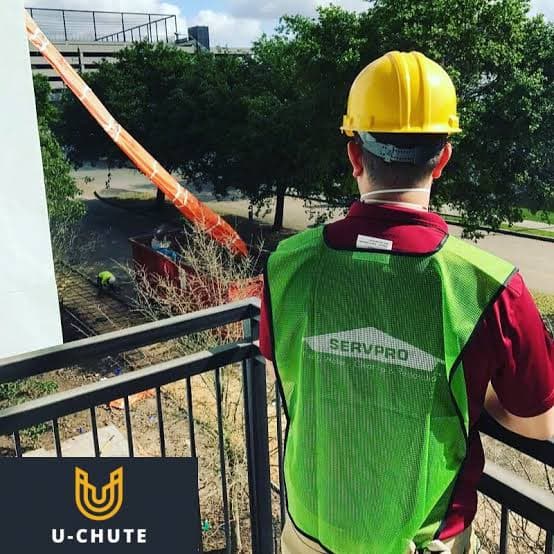
Construction waste is one of the most stubborn environmental problems in the built-world industry. In the United States alone, construction and demolition debris accounts for more than twice the volume of municipal solid waste generated each year, according to EPA materials waste and recycling data. Yet the tools used to move that debris off a building — the humble trash chute — rarely get examined through an environmental lens. That's a missed opportunity, because the type of chute you choose, how many times you can reuse it, and how efficiently it moves debris to a collection point have real consequences for your project's waste footprint.
This guide breaks down the full environmental picture of trash chutes in construction waste management — from raw material choices to landfill diversion, from ergonomic safety to long-term cost. Whether you're a demolition contractor, a roofer, or a junk removal crew, understanding the environmental trade-offs of your debris removal system helps you make smarter purchasing decisions and, in some cases, win green-minded clients.
Why Construction Waste Is an Environmental Crisis Worth Taking Seriously
Construction and demolition (C&D) waste isn't just a disposal headache — it's a genuine environmental liability. Materials like drywall, concrete, wood framing, roofing shingles, and insulation take enormous amounts of energy to produce. When they end up in a landfill instead of being sorted and reused, that embedded energy is wasted permanently.
Landfills that accept C&D debris consume land, generate leachate that can contaminate groundwater, and produce methane as organic materials decompose. The EPA's recycling overview consistently highlights construction debris as one of the most impactful categories to divert from landfills. Yet diversion only works when debris reaches the ground in a sorted, recoverable state — and that's where the debris chute plays a surprisingly critical role.
The Hidden Waste Stream Nobody Talks About
Most environmental conversations on jobsites focus on what goes into the dumpster. Very few people ask how efficiently material gets to the dumpster. Debris tossed from height without a chute scatters, breaks into smaller fragments, and intermixes material types. That contamination makes sorting for recycling nearly impossible. A properly channeled chute keeps materials discrete and manageable.
- Uncontrolled debris drops mix recyclables with non-recyclables, destroying their diversion potential.
- Scattered debris around the building perimeter increases cleanup labor and generates secondary waste (torn bags, broken containers).
- Windborne light debris from uncontrolled drops contributes to site litter that often ends up in storm drains.
Single-Use vs. Reusable Chutes: The Core Environmental Trade-Off
Not all trash chutes are built the same way, and the environmental gap between a single-use cardboard or thin-plastic chute and a reusable polymer-fabric chute is substantial. Understanding that trade-off is the starting point for any honest environmental analysis.
Single-use or low-cycle chutes are typically made from corrugated cardboard, thin polyethylene film, or low-grade plastics. They're cheap per unit but generate disposal waste themselves. After one or two projects, they're torn, contaminated, and headed for the landfill. That means the chute itself becomes part of the waste stream it was supposed to manage.
Lifecycle Analysis: What Reusability Actually Means
When you buy a reusable polymer-fabric chute, you are purchasing a tool that can be deployed, cleaned, stored, and redeployed across dozens of projects. Each reuse cycle eliminates the need to manufacture, ship, and dispose of a replacement unit. Over the lifetime of a high-quality chute, the per-project environmental footprint drops dramatically compared to disposable alternatives.
- Material efficiency: Polymer-fabric requires less raw material per unit of functional life than repeated disposable purchases.
- Shipping emissions: One shipment for a reusable chute replaces many shipments for disposables over the same period — and U-Chute's debris chute systems ship free anywhere in the U.S., consolidating that footprint.
- End-of-life: Durable polymer-fabric degrades slowly in landfill, but its long service life means fewer units ever reach the landfill per project completed.
How Trash Chute Design Affects Debris Sorting and Recycling Rates
Environmental impact isn't just about the chute material — it's also about how effectively the chute system supports good debris sorting practices at the point of generation. A well-designed chute system keeps debris contained, directed, and accessible for sorting at ground level.
When workers can drop specific material types through a dedicated chute into a targeted dumpster or bin, contamination rates drop significantly. Clean loads of drywall, clean loads of wood, and clean loads of shingles are all far more likely to find a recycling or reuse outlet than mixed loads. That's a direct environmental benefit that traces back to chute design and placement.
Positioning the Chute for Maximum Diversion
Placement matters as much as product quality. A chute that drops debris directly into a sorted container — rather than a general dumpster — sets up the crew for better recycling discipline throughout the project.
- Position the chute outlet directly over the target container, not at the side where debris can miss.
- Use separate containers for distinct material streams: wood, drywall, shingles, metal.
- Brief the crew at the start of each shift on which materials go through the chute into which bin.
- Check the outlet position after any chute extension is added — a shifted outlet defeats the sorting system.
Drop Height and Debris Integrity
The height from which debris falls before it is captured by the chute inlet also affects environmental outcomes. Debris dropped from great heights builds velocity that can shatter recyclable materials — ceramic tile, glass, certain masonry products — into unsortable fragments. A properly installed chute captures debris at the floor level where it is generated and channels it at a controlled speed to the ground. That preserved integrity keeps more material in recoverable condition.
The OSHA Angle: Worker Safety as an Environmental Co-Benefit
Environmental impact and worker safety are more connected than most contractors realize. OSHA's ergonomics guidance makes clear that manual handling of heavy debris — carrying bags down multiple flights of stairs, for example — is a leading cause of musculoskeletal injury on construction sites. Injuries don't just harm workers; they slow projects, create replacement labor demand, and increase the total resource consumption per project.
A trash chute eliminates most of that vertical debris transport labor. Workers deposit material at the floor of generation and the chute does the work of moving it to ground level. Fewer injuries mean fewer project delays, less redundant material handling, and a leaner overall resource footprint for the job.
Reducing Secondary Waste from Injury and Rework
This is a subtle but real environmental benefit. When a project runs efficiently — no stairwell accidents, no spilled debris loads, no emergency cleanups — it generates less secondary waste. Ripped debris bags, broken temporary containers, and spilled material that ends up in the wrong disposal stream are all reduced when the primary debris management system works correctly from the start.

Polymer-Fabric vs. Metal Chutes: An Environmental Material Comparison
For larger commercial projects, metal sectional chutes are sometimes used. They're durable, but the environmental picture is more complex than it first appears. Metal chutes are heavy — shipping them generates substantially higher freight emissions per pound than lightweight polymer-fabric alternatives. They also require significant energy to manufacture from raw ore or even recycled scrap.
Polymer-fabric chutes, like the ones U-Chute manufactures, are lightweight by design. That weight advantage translates directly into lower shipping emissions, easier handling by a smaller crew (reducing labor and associated resource use), and simpler storage that doesn't require heavy-duty racking. For most residential, light commercial, and mid-rise applications, polymer-fabric chutes deliver comparable or superior functional performance with a meaningfully lower embedded carbon footprint.
Weight-to-Durability Ratio: Why It Matters Environmentally
The best environmental outcome comes from a product that lasts as long as possible relative to its weight and manufacturing footprint. A 10-foot heavy-duty polymer-fabric section that handles hundreds of drops across multiple projects represents an excellent weight-to-durability ratio. Compare that to a heavy metal section that ships with high emissions, requires two workers to handle safely, and still needs eventual replacement — the polymer-fabric option wins the lifecycle analysis in most realistic deployment scenarios.
- Lighter chutes reduce vehicle payload — more sections per truck trip, fewer trips per project.
- Lower handling weight means less crew fatigue and fewer secondary material movements.
- Compact storage requires less warehouse or yard space, reducing the facility footprint per unit stored.
Choosing the Right Chute Size for Your Environmental Footprint
Oversizing your chute system wastes resources; undersizing it creates unsafe workarounds that increase waste. Matching chute size to project scope is itself an environmental decision. Understanding the price breakdown by size also helps you see where each size sits in terms of value and appropriate application.
U-Chute offers four configurations: the 10-ft lite-duty, the 10-ft heavy-duty, the 25-ft heavy-duty, and the 50-ft heavy-duty. Each is designed for a specific range of applications, and deploying the right size for the right job means you're not hauling unnecessary weight to a site or forcing a lightweight chute through applications that will wear it out prematurely.
Matching Chute Size to Project Type
- 10-ft lite-duty: Ideal for small residential jobs, single-story additions, and light cleanout work where debris volume is manageable and drop height is limited.
- 10-ft heavy-duty: The right choice for higher-volume residential or light commercial projects where durability matters but drop height stays under one story.
- 25-ft heavy-duty: Suited for two- to three-story residential or commercial buildings, roofing projects, and mid-scale demolition work.
- 50-ft heavy-duty: Designed for multi-story commercial buildings, large-scale demolition, and any project where drop height exceeds two or three stories.
If you're working a small commercial project with a modest budget, the guide to trash chutes for small commercial projects under $10,000 walks through exactly how to match your system to your scope without over-investing.
Construction Waste Regulations and How Chutes Help You Comply
Environmental compliance is increasingly part of the construction landscape. Many municipalities, particularly in states with active environmental programs, now require C&D waste management plans as a condition of pulling a permit. Those plans typically demand documentation of debris diversion — proof that a meaningful percentage of job waste went to recycling or reuse rather than landfill.
A trash chute system that supports clean debris separation is a practical compliance tool. When you can document that wood, drywall, and roofing material were channeled separately into distinct containers, you have the foundation of a credible waste diversion report. That's a real business benefit on top of the environmental one.
Documentation Practices That Support Green Building Goals
- Photograph your chute setup and dumpster labeling at project start — this establishes your sorting intent.
- Keep weight tickets from the hauler for each material stream.
- Note the chute configuration (size, number of sections, height served) in your project records.
- Calculate diversion rate by dividing total recycled weight by total debris weight — most green building standards require 50-75% diversion.
For crews working across state lines, the Iowa contractor's guide and resources for Asheville, NC crews provide region-specific context on debris management expectations.
Landfill Diversion: The Numbers Behind Better Debris Management
The connection between trash chute quality and actual landfill diversion rates is real but often underappreciated. Here's the basic logic: debris that reaches the ground in a sorted, intact state is diverted at higher rates. Debris that arrives commingled, contaminated, or shattered is typically landfilled even when diversion infrastructure exists.
The EPA's data shows that C&D debris diversion rates vary enormously by project type and waste management approach. Projects with dedicated debris management plans consistently outperform those without. A chute system is a visible, practical commitment to that kind of plan — it signals to the crew that sorting and careful handling are priorities, not afterthoughts.
Which Materials Benefit Most from Chute-Assisted Diversion
- Clean wood: High recycling and reuse value; contamination with drywall dust or shingle granules destroys that value.
- Drywall (gypsum): Easily recycled when clean; one of the most commonly contaminated materials on mixed-load sites.
- Asphalt shingles: Recyclable into road base material in many markets; must be sorted cleanly from other roofing waste.
- Metal: High scrap value drives diversion naturally, but physical separation at the point of generation speeds the process.
- Concrete and masonry: Recyclable as aggregate; heavy enough that controlled chute delivery preserves sortability better than uncontrolled drops.
The Small Business Dimension: Environmental Impact and Your Bottom Line
Environmental stewardship isn't just the right thing to do — it increasingly correlates with business performance. The SBA's small-business marketing guidance consistently notes that differentiated positioning matters for small contractors competing against larger firms. Your environmental practices are a real differentiator — if you can document them.
Clients who care about green building standards, LEED certification support, or simple waste reduction are looking for contractors who have thought through their debris management. A contractor who shows up with a quality, reusable chute system and a clear debris sorting plan stands out from one who tosses material out a window or uses a single dumpster for everything.
Reusable Equipment as a Financial and Environmental Asset
The financial case for reusable chutes parallels the environmental case. Every project you deploy the same chute on is a project where you avoided purchasing and disposing of a single-use alternative. Over a full season of roofing or demolition work, that avoided cost is real money. And every avoided disposal event is a small environmental win that compounds across your portfolio of work.
See the 2026 installation checklist for contractors for a practical framework that integrates reusable chute setup into your standard project workflow — including steps that directly support debris sorting and diversion documentation.
Regional Environmental Considerations for Trash Chute Deployment
Environmental regulations, recycling infrastructure, and waste diversion expectations vary significantly by region. A contractor working in a dense urban market with robust C&D recycling facilities has different options than one working in a rural area where the nearest recycling processor is an hour away. Your chute system needs to match your local reality.
U-Chute serves contractors across the entire United States, which means the same chute configurations support wildly different regional contexts. The Boulder, Colorado market has aggressive green building expectations. The Sarasota, Florida market has its own debris management norms shaped by hurricane rebuild cycles and coastal environmental sensitivity. The Boca Raton, Florida market similarly combines high renovation activity with local environmental standards. In every case, the chute system's role — contain, direct, preserve sortability — is the same. Execution adapts to local infrastructure.
Cold-Weather Environmental Factors
Winter construction creates unique environmental considerations for debris management. Frozen debris can impact differently than room-temperature material, and outdoor collection containers behave differently in sub-zero conditions. The 2026 winter debris chute safety checklist covers cold-weather deployment in detail, including how to maintain sortability and environmental compliance when temperatures drop.
Best Practices: Building a Genuinely Green Debris Management System
A reusable trash chute is the centerpiece of an environmentally responsible debris management system, but it works best when supported by consistent practices around it. The following checklist is designed for crews who want to take their environmental performance seriously, not just check a compliance box.
Pre-Project Environmental Setup Checklist
- Identify recycling facilities and processors within a realistic hauling radius for each material stream (wood, drywall, shingles, metal, concrete).
- Select the correct chute size for the building height and debris volume — check the U-Chute FAQ if you're unsure which configuration fits your project.
- Set up labeled dumpsters or containers for each material stream before the first debris falls.
- Brief the full crew on sorting expectations and which chute feeds which container.
- Confirm the chute outlet position directs debris into the correct container cleanly.
During-Project Practices
- Inspect the chute at the start of each shift for wear, misalignment, or blockage.
- Rotate chute sections to distribute wear evenly across the set — this extends total service life.
- Remove contaminated loads promptly; a single wrong material in a sorted bin can downgrade the entire load.
- Document container weights as they are hauled — you need this data for diversion reporting.
Post-Project Environmental Closeout
- Clean the chute sections before storage — debris residue shortens service life and introduces contamination to the next project.
- Compile weight tickets and calculate your diversion rate before the project file closes.
- Note any material streams that were harder to divert than expected — adjust your setup next time.
- Store the chute in a covered, dry location to maximize its service life and avoid UV degradation.
Frequently Asked Questions
Does using a trash chute actually reduce construction waste going to landfills?
Yes, but the mechanism is indirect. A trash chute doesn't reduce the volume of debris a project generates — that's determined by the scope of work. What it does is deliver debris to ground level in a more sorted, intact, and recoverable condition, which supports better recycling and diversion rates. Projects that use a debris chute alongside deliberate sorting containers consistently achieve higher diversion rates than projects that allow uncontrolled debris drops into a single mixed dumpster.
Are reusable polymer-fabric chutes better for the environment than single-use alternatives?
In most realistic scenarios, yes. The key metric is service life relative to manufacturing footprint. A reusable polymer-fabric chute deployed across many projects generates far less waste per project than a series of single-use chutes covering the same work. Each reuse cycle amortizes the original manufacturing impact further. U-Chute's chutes are designed to withstand heavy repeated use, maximizing that amortization over the product's lifetime.
How does chute selection affect a project's LEED or green building score?
LEED and similar green building frameworks include credits for construction waste management, typically requiring documentation that a certain percentage of debris — often 50% or more by weight — was diverted from landfill. A chute system that supports clean debris sorting is a practical tool for achieving that threshold. While the chute itself is not a rated product under LEED, the waste diversion it enables contributes directly to the credits your project can claim. Keep hauler weight tickets for all sorted containers.
What construction debris materials benefit most from being channeled through a trash chute?
Clean wood and drywall benefit enormously because their recycling value depends almost entirely on keeping them free of contamination. Asphalt shingles and metal scrap also benefit from controlled delivery. Heavy materials like concrete and masonry benefit because a chute reduces the shattering that occurs from uncontrolled drops, keeping pieces in sizes that recycling processors can handle. Even mixed debris that ultimately goes to landfill is handled more safely and with less secondary mess through a chute than without one.
How does chute use relate to OSHA requirements on construction sites?
OSHA's standards on construction sites include requirements around safe debris disposal from elevated areas — uncontrolled throwing or dropping of debris is explicitly regulated. A trash chute is a recognized method for compliant debris management at height. Beyond compliance, chutes reduce the manual handling burden that OSHA's ergonomics guidance identifies as a primary driver of musculoskeletal injury. Fewer injuries mean a safer, more sustainable crew across a full project season.
Can a trash chute be used for debris sorting, or does it only work for mixed loads?
A single chute is typically used for one material stream at a time or for a general mixed load routed to a single container. The more effective approach for sorting is to use the chute for one dominant material stream per phase — shingles off the roof, then wood framing during demo — while directing each phase to a dedicated container. Some large sites run parallel chute systems for simultaneous sorting. The key is planning your container setup before the first load goes down the chute.
Does free shipping on U-Chute products have any environmental significance?
Free shipping is primarily a cost benefit, but it has a secondary environmental dimension: consolidating freight. When a contractor orders the right chute size directly from U-Chute and receives it in a single shipment, they avoid the multiple small-parcel or rush deliveries that often result from inadequate planning or repeated purchases of disposable alternatives. Fewer total shipments across a project season means a lower aggregate freight emissions footprint compared to frequent reorder cycles for disposable chutes.
Ready to Reduce Your Construction Waste Footprint with a Reusable Trash Chute?
The environmental case for a quality, reusable trash chute is built on straightforward logic: better debris containment supports better sorting, better sorting drives higher diversion rates, and reusable equipment generates less waste per project over its service life. None of that requires complicated green building expertise — it just requires choosing the right tool and using it consistently.
U-Chute manufactures polymer-fabric construction trash chutes in four sizes — the 10-ft lite-duty, 10-ft heavy-duty, 25-ft heavy-duty, and 50-ft heavy-duty — and ships them free anywhere in the United States. Whether you're a roofer in Texas, a demolition contractor in the Pacific Northwest, or a junk removal crew anywhere in between, the right chute for your project is available now and ready to ship.
Visit the full product and services page to compare sizes, or head to the FAQ page to get answers to specific configuration questions before you order. If you'd like to talk through your project requirements directly, the contact page is the fastest way to reach the team. Quality construction debris management without compromise — that's what U-Chute is built for.