
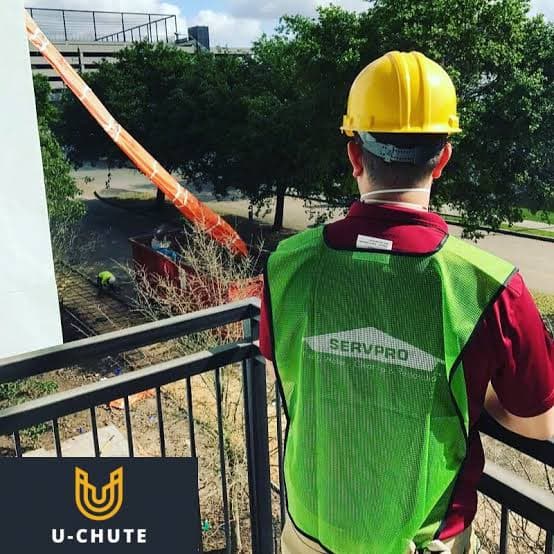
League City is growing fast. The waterfront communities along Clear Lake, the sprawling residential subdivisions pushing south toward Galveston County, and the steady commercial buildout along I-45 all mean one thing for contractors, roofers, demo crews, and junk removal operators: there is always a job in progress — and every job generates debris that has to move quickly, safely, and cleanly from upper floors to ground level.
If you are managing debris on any of those sites right now, a reusable construction trash chute is one of the most practical tools you can add to your operation. This guide covers everything you need to know about trash chutes in League City, Texas — from choosing the right size and understanding how they work, to setting up on a tight residential lot or a multi-story commercial floor plate.
Why Debris Management Matters More in League City Than You Might Think
League City sits at the intersection of two very different construction environments. The older waterfront neighborhoods near Clear Lake and Kemah feature tight lots, elevated slabs, and homes with second- and third-story decks where roofing tear-offs and renovation debris can quickly pile up. Meanwhile, the newer master-planned communities in the southern and western corridors are pushing larger multi-story residential and mixed-use projects where efficient debris removal is a production variable, not an afterthought.
Add to that the Gulf Coast climate: heat, humidity, and sudden storm systems mean you cannot afford to let loose debris accumulate on upper decks or in open dumpsters any longer than necessary. A well-routed trash chute keeps the job site organized, reduces fire risk, and protects your crew — and it keeps the neighbors and HOA boards off your back, which matters enormously in League City's densely governed residential corridors.
The Real Cost of Poor Debris Flow
- Labor time wasted carrying bags or buckets down stairs instead of dropping debris into a chute
- Risk of dropped materials injuring workers below or damaging finished surfaces
- Loose debris attracting OSHA scrutiny on commercial job sites
- HOA complaints and potential stop-work orders on residential remodels
- Dumpster overflow charges when debris hits the container unevenly or inefficiently
What a Reusable Polymer-Fabric Trash Chute Actually Is
A lot of contractors in League City are still manually hauling debris down ladders or tossing materials off balconies into open containers. Both methods are slow, dangerous, and unpredictable. A reusable construction trash chute solves all three problems at once.
U-Chute manufactures its chutes from durable polymer-fabric — a material chosen specifically because it is lighter than aluminum or steel alternatives, flexible enough to route around minor obstructions, and tough enough to handle heavy demolition debris including broken drywall, roofing shingles, concrete rubble, and wood framing scraps. Each chute section stacks together to reach whatever drop height your project requires, from a single story all the way down a five-story facade.
How the Stacking System Works
The modular stacking design is the key feature that makes U-Chute practical for League City contractors who move between projects of very different scales. Instead of buying one fixed-length chute and being locked into a single configuration, you buy the length that matches your most common job and add sections when the drop height increases.
- 10 ft lite-duty — ideal for single-story residential roof work, small bathroom demo, or raised slab tear-outs
- 10 ft heavy-duty — same footprint as the lite, but rated for heavier materials like tile roofing, masonry chunks, and dense wood debris
- 25 ft heavy-duty — the go-to choice for two- and three-story residential renovations and commercial interior demolition jobs
- 50 ft heavy-duty — suited for multi-story commercial buildings, mid-rise condos, and larger civic or institutional projects
For a detailed breakdown of which size fits which project type and what each option costs, see the Reusable Trash Chute Price Breakdown by Size: What to Expect in 2026.
The Four Sizes Explained for League City Project Types
League City's construction landscape is varied enough that no single chute size fits every job. Here is how to match the product to the project you are actually running in this market.
Single-Story and Raised-Slab Residential (10 ft Lite-Duty)
Much of League City's older housing stock sits on elevated slabs or pier-and-beam foundations, which adds a modest but real height challenge to roofing and exterior work. The 10 ft lite-duty chute handles light roofing material, general demo debris, and cleanup work on these single-story jobs without overbuilding for the task. It is the most portable option and moves easily between jobs in a pickup bed.
Roofing and Heavy Single-Story Demo (10 ft Heavy-Duty)
If you are stripping composite shingles, tile, or built-up roofing from a one-story structure, you need the durability of the heavy-duty fabric even if the height is modest. The 10 ft heavy-duty version handles the repeated impact of dense roofing materials better than the lite version and will last significantly longer in daily production use.
Two- and Three-Story Residential Renovation (25 ft Heavy-Duty)
League City's newer subdivisions — particularly those in communities like South Shore Harbour, Tuscan Lakes, and the developments south of FM 518 — feature two-story homes that are increasingly becoming renovation targets. The 25 ft heavy-duty chute covers the drop from a second-story window or roof edge to a ground-level dumpster with room to spare, which keeps debris flow consistent and reduces wear on the chute material.
Multi-Story Commercial and Mid-Rise (50 ft Heavy-Duty)
Commercial buildout along the I-45 corridor and near the Clear Lake medical district occasionally involves multi-story work where a longer chute is non-negotiable. The 50 ft heavy-duty option is built for exactly these environments. For more on how these chutes perform in multi-story interior demolition specifically, read the guide on Construction Debris Chute for Interior Demolition in Multi-Story Commercial Buildings.
Installation Basics for League City Job Sites
Setting up a trash chute on a League City job site is straightforward, but a few local conditions are worth accounting for before you begin. Gulf Coast wind is a real factor — even inland League City can see sustained winds during storm season that will shift a loosely secured chute and create a debris scatter hazard. Secure every chute section and anchor the entry point properly before production starts.
Step-by-Step Setup
- Identify the drop point — a window opening, a roof edge, or a scaffolding bay — and confirm the clear vertical path to your debris container below
- Attach the topmost chute section securely to the structure or scaffolding using the provided connection hardware; do not rely on weight alone in windy conditions
- Stack additional sections to reach the required drop height, connecting each section firmly before adding the next
- Position your dumpster or debris container directly below the chute exit and confirm there is no crew traffic in the landing zone
- Brief all workers on which materials are acceptable in the chute and what to do if a blockage occurs
- Inspect all connections at the start of each shift, especially after any overnight wind event
For a printable version of this setup process with additional pre-use inspection checkpoints, see the Trash Chute Installation Checklist for Contractors 2026.
Common Setup Mistakes to Avoid
- Skipping the anchor at the top section — wind and debris momentum can cause an unsecured chute to swing outward and contact the structure or workers below
- Misaligning the chute exit over the dumpster — even a few inches of offset means debris hits the container rim instead of the interior, creating a scatter and overflow hazard
- Overloading with incompatible material — large chunks of concrete or masonry above the rated load for your chute size will cause wear and possible failure; break large pieces down before loading
- Ignoring section connections during the shift — sections can loosen under repeated loading; a mid-shift check is not optional on busy demo days

Which Trades Use Trash Chutes Most in League City?
The answer is: more trades than you might expect. The obvious users are roofing contractors and demo crews, but the practical list of trades that benefit from a trash chute in League City is longer.
Roofing Contractors
Roofers are the single largest user category for portable trash chutes anywhere in Texas, and League City's dense residential base makes roofing activity constant. Shingle tear-offs, tile removal, and decking replacement all produce high-volume, heavy debris that is genuinely difficult and slow to carry down a ladder. A trash chute turns a two-person debris carry into a one-person loading operation at the ridge, which is a meaningful labor savings on every job.
Junk Removal Companies
Junk removal in League City often means navigating second-story bedrooms, attic cleanouts, and garage-adjacent storage areas where hauling by hand to a ground-level truck is labor-intensive. A chute makes the whole operation faster and reduces the number of trips up and down stairs. Many junk removal operators in the Houston metro area have added a 10 ft or 25 ft chute to their standard equipment loadout for exactly this reason.
General Contractors and Remodeling Crews
Kitchen and bathroom gut-outs, window replacements, and full interior demo on multi-story homes all benefit from a chute. A general contractor running a renovation in one of League City's two-story subdivisions can stage the chute from a second-floor window and keep debris moving to the dumpster below without pulling crew off production tasks.
Demolition Specialists
Commercial interior demolition projects — particularly in the medical office and retail buildout corridors near the I-45 and NASA Road 1 interchange — generate large debris volumes from multiple floors simultaneously. The 25 ft and 50 ft heavy-duty chutes are purpose-built for exactly this scenario. For a full breakdown of how to cost out a debris chute for projects of this type, the Construction Debris Chute Cost Per Project 2026 guide is the right starting point.
Reusable vs. Single-Use: Why Reusability Matters for Texas Contractors
Single-use plastic chutes exist in the market. They are cheaper upfront, but they are a false economy for any contractor running more than two or three jobs per year. A reusable polymer-fabric chute from U-Chute is designed to last across many projects, which changes the math dramatically on a per-job cost basis.
For a League City roofer running 30 residential jobs in a season, the amortized cost of a reusable chute across those jobs is a fraction of what disposable alternatives would cost in aggregate. There is also a waste reduction dimension worth noting: the EPA's data on construction and demolition debris makes clear that the construction sector is one of the largest contributors to solid waste streams. Using durable, reusable equipment rather than single-use materials is a straightforward way to reduce that footprint — something more League City contractors are being asked about by clients and project owners.
Total Cost of Ownership Comparison
- Single-use chute per job: upfront cost each time, disposal cost after each job, inconsistent performance across different material types
- Reusable U-Chute amortized across 20 jobs: one purchase, one maintenance cost curve, consistent performance based on a known product
- Labor factor: a well-built reusable chute installs faster because crew gets familiar with the same product setup every time, reducing setup errors and time
For a project-by-project cost model, see the Trash Chute Cost Estimator by Project Scope 2026.
Safety Considerations Every League City Crew Should Know
A trash chute improves job site safety compared to carrying debris or tossing materials from height, but it introduces its own set of safety requirements that every crew member needs to understand before the chute goes up.
OSHA and Ergonomic Loading Standards
Even with a chute in place, the loading process involves lifting and positioning debris at the chute entry point, which can be at shoulder height or above on some setups. OSHA's ergonomics guidance on safe lifting and loading applies directly here. Train crew to use proper lift mechanics, avoid twisting at the waist when loading heavy material, and break oversized debris pieces down before they reach the chute entry. Proper ergonomics at the loading point prevents the injuries that show up as workers' comp claims two weeks after a heavy demo week.
Exclusion Zones Below the Chute
No worker should be in or near the debris drop zone at any time the chute is in active use. Establish a clear ground-level exclusion zone around the dumpster and the chute exit before the first load goes in, and enforce it throughout the shift. Flagging tape, barrier cones, or temporary fencing depending on job site type are all appropriate. For a public-facing League City project where pedestrian traffic is nearby, visible signage is non-negotiable.
Material Restrictions
- Do not route flammable liquids, solvents, or chemical containers through the chute
- Avoid loading materials with sharp edges that exceed the diameter of the chute opening — force-loading creates stress on the fabric sections
- Do not allow the chute to remain deployed during high-wind advisories without additional securing
- Inspect for wear on the fabric at connection points after any particularly heavy or abrasive debris load
Shipping and Availability: How to Get a Chute to League City Fast
One of the advantages of buying directly from U-Chute is that every order ships free to any address in the United States — including League City and across the greater Houston metro area. There are no freight surcharges, no local pickup complications, and no minimum order quantities beyond the product itself.
The buying process is straightforward: choose your size based on your project drop height and debris type, complete the order online, and the chute ships to your door or job site address. For contractors who are new to U-Chute and want to understand the full product lineup before buying, the Frequently Asked Questions About U-Chute Trash Chute page covers the most common questions about sizing, setup, and use.
Planning for Multiple Job Sites
If your company operates multiple crews across League City and the broader Clear Lake and Galveston County area simultaneously, consider having one chute per active crew rather than rotating a single unit between jobs. The per-unit cost of a U-Chute is low enough that duplicating equipment for concurrent jobs is a practical business decision, and it eliminates the scheduling friction of a shared tool.
League City vs. Surrounding Markets: What Changes About Chute Use
League City contractors often work across a wide radius — into Friendswood, Webster, Pearland, and down toward Texas City and Galveston. The core chute selection logic does not change across these markets, but a few practical considerations shift depending on where you are working.
Coastal-adjacent projects in the Galveston direction may encounter salt air corrosion concerns with metal equipment; polymer-fabric chutes sidestep that issue entirely. Projects in Pearland's denser commercial corridors may have more restrictive site access that makes a compact, lightweight chute easier to stage than heavier alternatives. And for contractors running work across the Houston metro who want to see how other markets approach the same equipment decisions, the experiences in other U-Chute markets are instructive — from Reusable Trash Chutes in Boulder, Colorado to Reusable Trash Chutes in Sarasota, Florida, the fundamentals are consistent even as site conditions vary.
Environmental and Regulatory Context for Construction Debris in Texas
Texas does not impose a statewide construction debris recycling mandate the way some states do, but project owners, general contractors, and municipal permitting offices in the League City and Clear Lake area are increasingly asking for debris management plans as part of the project documentation package. Having a systematic, documented approach to how debris moves from upper floors to a ground-level container — including chute specs, exclusion zones, and container placement — strengthens that documentation.
The EPA's recycling resources provide context on best practices for construction debris sorting and diversion, which is useful background if you are working on a project where LEED credits or waste diversion targets are part of the scope. A reusable chute is a direct contributor to a lower-waste operation compared to single-use equipment and manual-haul methods that increase the risk of debris scatter and loss.
Waste Diversion Planning
- Stage separate containers at ground level for materials that can be recycled — clean wood, metal, cardboard — and route non-recyclable mixed debris to the general dumpster via the chute
- Brief crew on which materials go where before the chute goes active, not after
- Document container weights and debris types if the project requires a waste management report
- Use the chute to route debris to the appropriate container consistently — a chute makes container targeting more accurate than tossing or carrying
Why U-Chute Is the Right Choice for League City Contractors
There are imported and generic construction chutes available through various channels, but the quality gap between commodity products and a purpose-built reusable system like U-Chute is meaningful in daily production use. The polymer-fabric construction is chosen for durability and weight, the stacking system is designed for fast field assembly without specialized tools, and the sizing range covers the full spectrum of League City project types from single-story residential to multi-story commercial.
U-Chute sells directly online with free US shipping, which means there is no distributor markup, no minimum order negotiation, and no waiting on a local supplier to have the right size in stock. You pick the size you need, order it, and it arrives ready to work. The Debris Chute Systems for Construction Sites Across Texas page has the full product overview, and the About U-Chute Trash Chute page covers the company background and manufacturing approach.
Contractors across the country — from Asheville, NC to Boca Raton, Florida — rely on U-Chute because the product consistently performs across a wide range of site conditions, material types, and project scales. League City contractors have access to the same equipment and the same free shipping that makes U-Chute competitive nationwide.
Frequently Asked Questions
What size trash chute do I need for a two-story residential renovation in League City?
For a standard two-story home in League City, the 25 ft heavy-duty chute is the most versatile option. It gives you more than enough drop height to reach from a second-floor window or roof edge to a ground-level dumpster, with room to accommodate the elevated slab heights common in older League City housing stock. If you are working on a taller second story or have an unusually high ground-to-eave measurement, the 50 ft heavy-duty provides additional flexibility without much added complexity.
Does U-Chute ship free to League City, Texas?
Yes. U-Chute offers free shipping to any address in the United States, which includes League City and all surrounding areas in the Greater Houston and Galveston County region. There are no freight surcharges, no local delivery fees, and no minimum order size beyond the product itself. You order the size you need online and it ships directly to your door or job site address.
Can I use a trash chute on a League City job site where pedestrians are nearby?
Yes, but you need to establish a proper exclusion zone below the chute exit before any debris is loaded. Use barrier cones, flagging tape, or temporary fencing appropriate to the site type. On public-facing sites — commercial properties along League City Parkway or residential jobs on streets with foot traffic — visible signage warning of overhead debris operations is strongly recommended and in some cases required under local permitting conditions. Brief all crew on the exclusion zone before the first shift.
What materials can I run through a U-Chute construction trash chute?
U-Chute chutes handle the full range of standard construction and demolition debris: roofing shingles, drywall, wood framing scraps, light concrete chunks, tile, insulation, cardboard, and general renovation waste. The heavy-duty models are rated for denser materials. Avoid routing flammable liquids, solvents, chemical containers, or oversized chunks of concrete that exceed the chute opening diameter. Breaking large pieces down before loading protects the chute fabric and prevents blockages that slow production.
How long does a reusable U-Chute last compared to a single-use chute?
A reusable U-Chute is designed to last across many projects when properly maintained, making the per-job cost significantly lower than single-use alternatives. Longevity depends on how the chute is used and maintained — inspecting connection points after heavy debris loads, cleaning the fabric sections between uses, and storing the chute in a dry environment all extend service life. Contractors running 20 or more jobs per year typically find that a reusable chute pays for itself within the first season compared to per-job disposable options.
Is a construction trash chute required by OSHA for multi-story jobs in Texas?
OSHA does not mandate a specific debris removal method for all multi-story construction and demolition work, but its general duty clause requires employers to provide a workplace free from recognized hazards — and tossing debris from height without controls is a recognized hazard on any occupied or adjacent-occupied site. In practice, many commercial project owners, general contractors, and insurance carriers require a formal debris management plan that includes a chute or equivalent containment system on multi-story jobs. Using a rated chute is one of the most straightforward ways to satisfy that requirement.
Can junk removal companies use U-Chute trash chutes in League City?
Absolutely. Junk removal is one of the most common use cases for portable trash chutes in residential markets like League City. Attic cleanouts, second-story bedroom clearances, and garage content removal all generate bulk material that is slow and physically demanding to carry down stairs repeatedly. A 10 ft or 25 ft U-Chute staged from a second-story window routes that material directly to a ground-level truck or container, which speeds up each job and reduces fatigue on crew — a meaningful productivity gain on back-to-back job days.
Ready to Order a Trash Chute for Your League City Project?
If you are working in League City, Texas right now — or planning a project that will start in the coming weeks — the right trash chute is available, in stock, and ships free to your location. Choose the size that matches your drop height and material type, complete your order online, and get the equipment on site before your next job starts.
Visit the Debris Chute Systems for Construction Sites Across Texas page to compare the full lineup, or go straight to the Contact page if you have a project-specific question before you order. U-Chute's commitment is straightforward: quality construction debris management without compromise, delivered free to your door anywhere in the United States.