
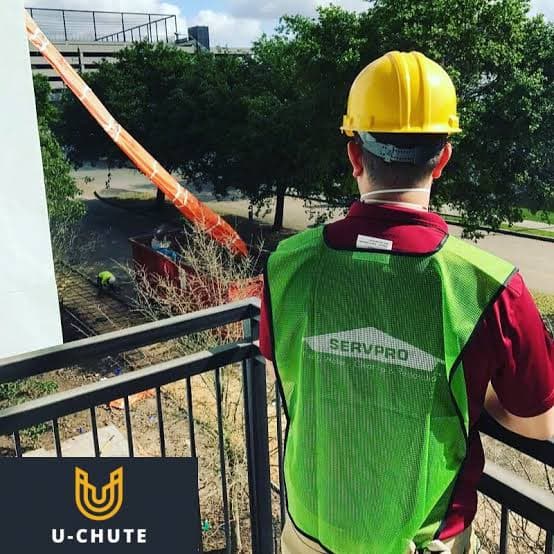
Round Rock is growing fast. New residential subdivisions are sprouting along the 45 corridor, commercial build-outs are filling every strip center, and roofing crews are booked solid through the season. That kind of construction volume produces a lot of debris — and debris has to move from wherever it falls all the way to a dumpster on the ground, efficiently, safely, and without destroying a jobsite schedule.
That's exactly what trash chutes in Round Rock Texas solve. A properly sized, properly rigged debris chute turns a messy, slow, and physically punishing manual carry-down into a smooth gravity-fed system that one person can manage. This guide covers everything Round Rock contractors need to know: how to size a chute, how to rig it, what the safety rules require, and how to order one online with free shipping delivered right to your site.
Why Round Rock Contractors Are Prioritizing Debris Chutes in 2026
Round Rock's construction market hasn't slowed down. The city's proximity to the Austin tech corridor keeps demand for both commercial tenant improvements and residential work at a consistent high. Crews that show up without a debris management plan quickly discover that carrying shingles, drywall scraps, and broken concrete down ladders in five-gallon buckets costs them more in labor hours than any piece of equipment ever could.
Beyond labor efficiency, there's a liability angle that experienced general contractors understand well. Debris dropped from elevation without a chute creates falling-object hazards that OSHA takes seriously. A contained chute system funnels material in a controlled path, keeps bystanders safe, and reduces the scatter that turns a tidy jobsite into a citation waiting to happen.
- Labor savings: One worker feeding a chute replaces two or three workers running buckets down ladders.
- Schedule compression: Faster debris clearance means the next trade can enter sooner.
- Site cleanliness: Material lands in or near the dumpster, not scattered across the lot.
- Safety compliance: Controlled debris flow reduces falling-object risk at multi-story sites.
Reusable polymer-fabric chutes have become the preferred solution because they balance all four of these benefits without the recurring cost of disposable cardboard or single-use systems. You can read more about that tradeoff in our detailed breakdown: Reusable Trash Chutes vs Disposable Debris Chutes: 2026 Comparison.
Understanding the Four U-Chute Sizes and Which One Round Rock Projects Need
U-Chute manufactures four distinct products. Picking the right one before you order saves money and prevents the frustration of a chute that's either undersized for the debris volume or overkill for a simple one-story cleanout.
10 ft Lite-Duty
Designed for low-volume, light-material applications. Think single-story residential cleanouts, light drywall removal, or junk-hauling jobs where the debris is mostly soft material. The lite-duty is the most portable option and works well for junk removal crews running multiple jobs per day across Round Rock neighborhoods.
10 ft Heavy-Duty
Same drop height as the lite-duty, but built to handle denser, heavier material — roofing shingles, tile, small concrete chunks. If you're doing a residential re-roof in a Round Rock subdivision and your ridge is only one story up, the 10 ft heavy-duty is your workhorse. It ships easily, sets up fast, and handles the kind of abuse a shingle tear-off produces.
25 ft Heavy-Duty
The go-to for two- and three-story residential work and smaller commercial jobs. Many Round Rock townhome and multifamily projects fall right in this range. The 25 ft heavy-duty is stackable in sections, so you get exactly the drop height you need without dragging excess chute around a tight jobsite.
50 ft Heavy-Duty
Built for commercial construction, mid-rise projects, and large-scale demolition. If you're working on a commercial build-out in Round Rock's growing mixed-use districts or a taller structure near the downtown area, the 50 ft heavy-duty gives you the reach to drop debris cleanly from significant elevation. Full specs are covered in our dedicated post: 50ft Heavy Duty Construction Chute Specifications: Everything You Need to Know.
Not sure which size is right for your specific project? Our size-selection guide walks through the decision logic step by step: How to Choose Construction Debris Chute Size for Your Project Type. You can also use the calculator approach outlined here: Construction Debris Chute Size Calculator: The Complete Guide.
Who Uses Trash Chutes in Round Rock Texas
Debris chutes aren't a niche product. In a market as active as Round Rock, they serve a wide range of trades and business types — each with slightly different priorities and use cases.
Roofing Contractors
Roofing is probably the most intuitive application. Shingles, underlayment, and decking have to come off the roof somehow. Roofers who rig a heavy-duty chute directly to the eave eliminate the need to toss or haul material down ladders, which dramatically speeds the tear-off phase and keeps the ground crew out of the fall zone. Round Rock's older neighborhoods have a steady supply of re-roof projects that make this workflow a weekly reality.
Demolition Contractors
Interior demo — removing drywall, flooring, cabinetry, old insulation — produces enormous debris volume in a short time. Without a chute, workers are carrying heavy loads through the building, risking back injuries and slowing the entire job. A properly positioned chute drops material from the work floor straight to the dumpster below. OSHA's ergonomics guidance makes clear that reducing manual material handling is a core injury-prevention strategy — debris chutes are one of the most practical ways to achieve that on a demo site.
Junk Removal Companies
Junk removal crews in Round Rock handle everything from hoarder cleanouts to estate cleanups in multi-story homes. A portable chute means less up-and-down on stairs, faster load times, and the ability to run more jobs per day. The lite-duty 10 ft model is especially popular here because it's easy to load in a service vehicle alongside other equipment.
Commercial Tenant Improvement Contractors
TI work in Round Rock's commercial corridors often involves gutting a retail or office space from scratch — demo, framing, MEP rough-in, all of it generating debris in a building that may still have active tenants in adjacent suites. A chute keeps the debris path contained and minimizes disruption to the rest of the property. For a deep dive into this use case, see our guide: Trash Chutes for Commercial Tenant Improvement Contractors: The Complete Guide.
General Contractors and Remodelers
Whole-home remodels, kitchen gut jobs, bathroom renovations — any project that generates heavy debris volume in a multi-story home benefits from a chute. GCs who run crews across Round Rock's established neighborhoods have learned that the time saved on debris handling easily offsets the cost of the equipment, especially since a reusable chute pays for itself over multiple jobs.
Measuring Your Drop Height Correctly Before You Order
The most common ordering mistake is guessing the drop height. Getting this wrong means either a chute that falls short of the dumpster or one with excess length bunching on the ground and creating a tripping hazard. Here's how to measure correctly every time.
Step-by-Step Drop Height Measurement
- Identify the highest debris discharge point. This is the floor or roof level where workers will be feeding material into the chute inlet.
- Measure to grade (ground level). Use a tape from the discharge point straight down to where the dumpster lid or ground surface sits. Don't measure to the bottom of the dumpster — measure to the top opening or to grade if the dumpster isn't yet on-site.
- Add a buffer. Add 2-3 ft to your measured distance to account for the angle of the chute's lower end directing debris into the container. A perfectly vertical chute won't direct material into the bin — a slight angle outward is normal.
- Select the next size up. If your measurement plus buffer lands between sizes, go up. A chute with a little extra length is easier to manage than one that's too short.
- Account for stacking. U-Chute sections stack to match your drop height, so you're not locked into an exact length — you're selecting the maximum capacity you need.
Round Rock's most common residential construction sits in the two-story range, which typically produces drop heights of 18-22 ft. The 25 ft heavy-duty covers this range comfortably with room for the angle buffer.
Rigging and Setup on a Round Rock Jobsite
Even the best chute underperforms if it's rigged poorly. Proper setup is straightforward, but a few key principles make the difference between a smooth operation and one that creates problems mid-job.
Securing the Upper Inlet
The top of the chute must be anchored to something structural — a window opening, a roof edge bracket, or a scaffold frame. Never rely on the weight of the chute itself to hold it in position. Use rope, ratchet straps, or dedicated mounting hardware rated for the debris load you expect. The inlet should sit at or slightly inside the opening workers are using to feed material, so chunks don't bounce out before entering the chute body.
Positioning the Dumpster
Ideally, place the dumpster directly below the chute's lower outlet. The outlet should hang a few inches above the dumpster's open top — not inside it (which restricts flow) and not so high above it that debris scatters on impact. If the dumpster can't be positioned directly below due to site constraints, angle the lower section of the chute to direct material into the bin.
Keeping the Path Clear
Establish a ground-level exclusion zone around the dumpster and chute base. No workers should be in that zone while the chute is in use. Post a visible sign or use cones to mark the area. This isn't just best practice — it's the kind of site management that keeps your OSHA compliance record clean and your crew safe. For a full review of Texas-specific chute safety requirements, see: Construction Chute Safety Regulations Texas 2026: The Complete Contractor Guide.
Reusable vs. Disposable: The Round Rock Economics

Disposable debris chutes — typically made from cardboard or thin plastic — look inexpensive at first glance. But the math changes quickly once you factor in repeat purchases. A crew running three re-roofs per month in Round Rock using disposables is buying a new chute for each job. A reusable polymer-fabric chute from U-Chute is an asset that pays for itself within a handful of uses.
- Reusable chutes: Higher upfront cost, indefinite lifespan with normal care, zero recurring purchase cost per job.
- Disposable chutes: Lower sticker price per unit, replaced after every use or every few uses, cost adds up rapidly across a busy season.
- Environmental impact: Disposables generate material waste on every job. Reusable chutes reduce the volume of single-use product sent to landfill — consistent with the waste-reduction principles that the EPA emphasizes in its recycling and materials guidance.
For a thorough side-by-side analysis, the comparison post linked above goes deeper on cost-per-use math, material durability, and sustainability considerations.
Ordering Online: How the Process Works for Round Rock Contractors
U-Chute sells directly online. There's no dealer network to navigate, no minimum order quantity, and no commercial account requirement. Here's exactly how the process works.
Step 1: Identify Your Size
Use the measurement method described above to determine your required drop height, then match it to the appropriate product: 10 ft lite-duty, 10 ft heavy-duty, 25 ft heavy-duty, or 50 ft heavy-duty. If you have ongoing projects at different heights, ordering two different sizes may make sense — crews can deploy the right chute for each job type.
Step 2: Place Your Order
Visit the Debris Chute Systems page to view the available products and pricing. Select the size you need, complete the checkout, and you're done. Pricing is listed directly on the site — no quote request, no waiting for a sales call.
Step 3: Free Shipping to Round Rock
All U-Chute orders ship free anywhere in the United States. Round Rock is well within that coverage. The chute sections are lightweight enough to ship via standard carrier, which keeps transit times reasonable and delivery straightforward — no freight broker coordination required.
Step 4: Receive, Inspect, Deploy
When your order arrives, inspect the sections for any transit damage before your first use. Set up takes minutes once you've done it once. The polymer-fabric construction is lightweight enough that one person can handle the rigging without a second set of hands.
Questions before or after ordering? The U-Chute FAQ page covers the most common pre-purchase questions, and you can always reach the team directly through the Contact page.
Maintaining Your Chute Between Round Rock Jobs
A reusable chute's lifespan depends almost entirely on how it's cleaned and stored between uses. Good habits here extend the life of the equipment significantly and keep it performing the way it did on day one.
Post-Job Cleaning
- Shake out any remaining debris before collapsing the chute sections.
- For dusty jobs (drywall, insulation), rinse sections with a garden hose and let them air dry before storing. Storing sections while damp accelerates wear on the fabric.
- Inspect connection points and seams after every use. Address minor wear before it becomes a failure point mid-job.
Storage
- Store sections in a dry, shaded location. Prolonged UV exposure degrades most polymers over time — a cargo area, storage unit, or covered rack is ideal.
- Don't store heavy equipment on top of stacked chute sections. The fabric is durable, but sustained compression from sharp or heavy objects can create weak points.
- Keep sections organized by size if you operate multiple products. Labeling your storage area saves setup time on busy mornings.
Common Jobsite Mistakes and How Round Rock Crews Avoid Them
Even experienced crews make avoidable mistakes when deploying debris chutes for the first time. These are the most common ones seen on active jobsites and the corrections that fix them.
Mistake 1: Underestimating the Drop Height
Crews that eyeball the measurement and round down end up with a chute that falls short of the dumpster. The fix is a quick tape measure before ordering — it takes three minutes and prevents a situation where you're on-site with a chute that doesn't reach.
Mistake 2: Inadequate Upper Anchoring
A chute that isn't firmly anchored at the top can shift or fall during heavy use. The inlet takes significant force when large debris enters at speed. Anchor to structure, not to temporary fixtures, and check the connection after the first few loads to confirm it's holding.
Mistake 3: No Ground Exclusion Zone
Debris exiting the bottom of a chute still carries momentum. Workers standing near the dumpster opening are at risk from material that bounces or deflects on impact. Keep the base area clear and enforce it consistently — especially on sites with multiple trades working in close proximity.
Mistake 4: Overloading the Chute
Feeding large, irregular pieces of debris — like whole sections of concrete block or long lumber — can jam the chute or stress connection points beyond their design limits. Break material down to manageable sizes before it enters the inlet, and use the heavy-duty product for dense materials rather than trying to push limits on a lite-duty system.
Mistake 5: Skipping the Post-Job Inspection
It's easy to collapse and toss the chute into the truck after a long day without inspecting it. A small tear caught now is a quick repair — or at minimum, a known issue before the next job. A tear discovered mid-job on a commercial site is a much bigger problem.
Environmental and Waste Management Considerations in Round Rock
Construction waste is a significant contributor to landfill volume nationally. EPA data on materials, waste, and recycling consistently identifies construction and demolition debris as a major waste stream. Round Rock contractors who use reusable chutes are making a small but meaningful contribution to reducing that footprint — both by using equipment that doesn't become trash itself and by enabling more organized debris sorting at the dumpster level.
When debris exits a chute in a controlled, concentrated flow, crews can more easily separate recyclable materials — metal, clean wood, concrete — from true landfill waste. Random debris scatter makes sorting practically impossible. A chute-fed dumpster gives you a fighting chance at diverting at least some material to recycling, which may also reduce your disposal costs depending on the hauler's rate structure for mixed versus sorted loads.
How U-Chute Fits Into a Round Rock Contractor's Full Equipment Strategy
Debris chutes don't replace other site equipment — they complement it. The dumpster still needs to be rented, the debris still needs to be hauled off, and the crew still needs personal protective equipment throughout the process. What a chute does is optimize the material flow between the work area and the container, which is the step that most often creates bottlenecks on active sites.
For contractors running multiple crews across Round Rock simultaneously, having a chute assigned to each active job site eliminates the scheduling conflicts that come from sharing equipment. Because U-Chute's polymer-fabric products are lightweight and ship free, it's practical to stock two or three units without a significant capital outlay — especially when each unit will generate labor savings on every job it's used on.
Learn more about U-Chute's full product range and company background on the About U-Chute Trash Chute page, or browse the All Services overview for a complete picture of what's available.
Contractors operating in other Texas and regional markets can also find location-specific information — for example, crews working across state lines can reference pages like Reusable Trash Chutes in Boulder, Colorado or Reusable Trash Chutes in Asheville, NC for market-specific guidance.
Frequently Asked Questions
What size trash chute do I need for a typical Round Rock two-story re-roof?
Most two-story homes in Round Rock have eave heights in the 18-22 ft range. The 25 ft heavy-duty chute covers this span with enough extra length to angle the outlet properly into a dumpster. If you're working on a taller structure or a home with a steep pitch that pushes the ridge significantly higher, measure from your actual discharge point to grade and add a 2-3 ft buffer before selecting your size.
Does U-Chute ship to Round Rock, Texas?
Yes. U-Chute ships free to any address in the United States, which includes Round Rock and all surrounding communities in Williamson and Travis counties. Orders are placed directly online — no dealer visit or commercial account required. Standard carrier delivery means no freight coordination, and turnaround times are consistent with normal parcel shipping timelines.
Can one person set up a debris chute on a residential jobsite?
In most cases, yes. U-Chute's polymer-fabric sections are lightweight by design, which allows a single worker to handle rigging at the top of a ladder without needing a second person to manage the chute's weight. That said, anchoring the upper inlet securely is a two-step process that goes faster with an extra set of hands on the first setup. Once the system is rigged, one person can feed material and monitor flow without assistance.
What materials can I put through a heavy-duty trash chute?
Heavy-duty U-Chute models handle roofing shingles, ceramic and concrete tile, drywall sections, light lumber scraps, insulation, flooring materials, and similar demolition debris. The key limitation is piece size — material needs to fit cleanly through the inlet opening without jamming. Very large or irregularly shaped pieces should be broken down before feeding. Avoid putting sharp-edged metal or materials with protruding fasteners that could snag and stress the chute fabric.
Are there OSHA rules I need to follow when using a trash chute in Texas?
Yes. OSHA's construction standards address falling-object hazards and material handling at elevated workplaces. At a minimum, you should maintain a ground-level exclusion zone below the chute base, ensure the upper inlet is structurally anchored, and equip workers in the debris zone with appropriate head protection. Texas follows federal OSHA standards for construction. Our detailed guide covers the specifics: Construction Chute Safety Regulations Texas 2026: The Complete Contractor Guide, linked in the body of this post.
How long does a reusable trash chute last compared to disposable alternatives?
With proper post-job cleaning and storage out of prolonged UV exposure, a reusable polymer-fabric chute from U-Chute is designed to serve across many projects. The break-even point versus disposable alternatives typically arrives within a few uses, depending on the size you purchased and the per-unit cost of the disposable product you'd otherwise be buying. After break-even, every job where you deploy the chute is pure savings on debris management costs.
Can junk removal companies in Round Rock use these chutes, or are they only for construction crews?
Junk removal crews are among U-Chute's most active users. Estate cleanouts, hoarder cleanups, and residential junk removal jobs in multi-story homes create exactly the kind of debris-down-stairs problem that a chute solves. The 10 ft lite-duty model is particularly popular for junk removal applications because it's compact, easy to transport in a service vehicle, and fast to set up and break down between jobs.
Ready to Order Trash Chutes in Round Rock Texas?
Round Rock's construction pace isn't slowing down, and neither is the demand for efficient, safe debris management. Whether you're a roofer tearing off shingles in a Georgetown Road subdivision, a demo contractor gutting a commercial suite near the Premium Outlets, or a junk removal crew working through a multi-story home cleanout, the right trash chute makes the job faster and safer.
U-Chute makes it easy: choose your size, place your order online, and receive free shipping to your Round Rock address. No dealer visit, no sales rep, no waiting. Visit the Debris Chute Systems page to see all four sizes, review the specifications, and place your order today.